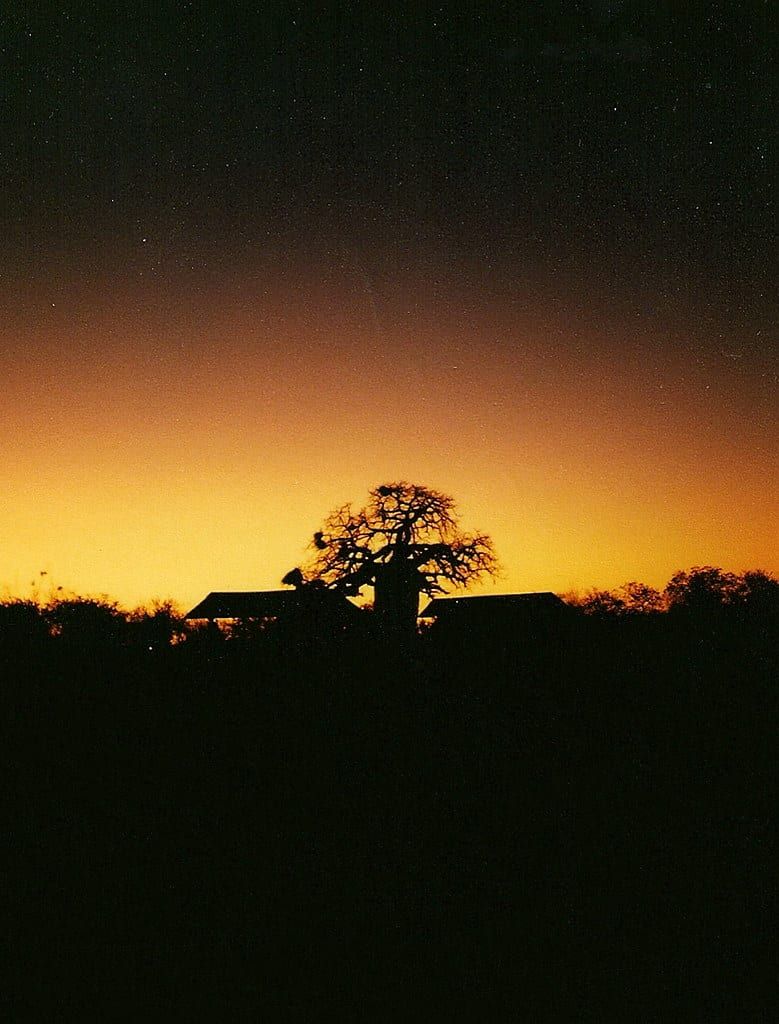
Yes, Kruger National Park is safe for almost every visitor who follows SANParks' rules on vehicles, speed and distance from animals. Over a million people drive its roads every year, and serious incidents involving tourists are rare enough to make national news when they happen. This guide breaks down exactly why, animal by animal and rule by rule, from self-drive speed limits to malaria season to whether solo travellers and kids can handle it.
The Short Answer: Is Kruger National Park Safe?
Kruger covers 19,623 km² of the Lowveld, an area bigger than Wales, running 360 km north to south along the border with Mozambique. Paul Kruger first protected the land in 1898 as the Sabie Game Reserve; it became South Africa's first national park in 1926. Nearly 130 years of ranger patrols, fenced camps and a strict code of conduct shape how the park manages the line between people and wildlife today, and that management is why visitor numbers keep climbing while incidents stay rare.
The real safety questions get specific fast: how close is too close to an elephant, is the drive from Johannesburg risky, do you need malaria pills. Each section below tackles one category — wildlife, driving, crime, health, and who Kruger actually suits — with the numbers SANParks itself publishes rather than a vague reassurance. Read the ones that worry you most. You don't need all of it to book with confidence.
Wildlife Safety: The Golden Rules for Big Game Encounters
A closed vehicle reads to Kruger's animals as a large, harmless shape rather than a person. Lions, elephants and buffalo have grown up around cars on tar roads and generally ignore them, which is why SANParks' Code of Conduct requires visitors to stay inside their vehicles at all times except at fenced picnic sites, hides and rest camps. No part of the body may protrude from a window, sunroof or door, and doors must stay closed everywhere else. Lean out for a photo or open a door for a better angle, and the animal stops seeing a car — it sees a person, and reacts accordingly. Our wildlife-spotting guide covers behaviour for the full Big Five in more depth.
Elephants
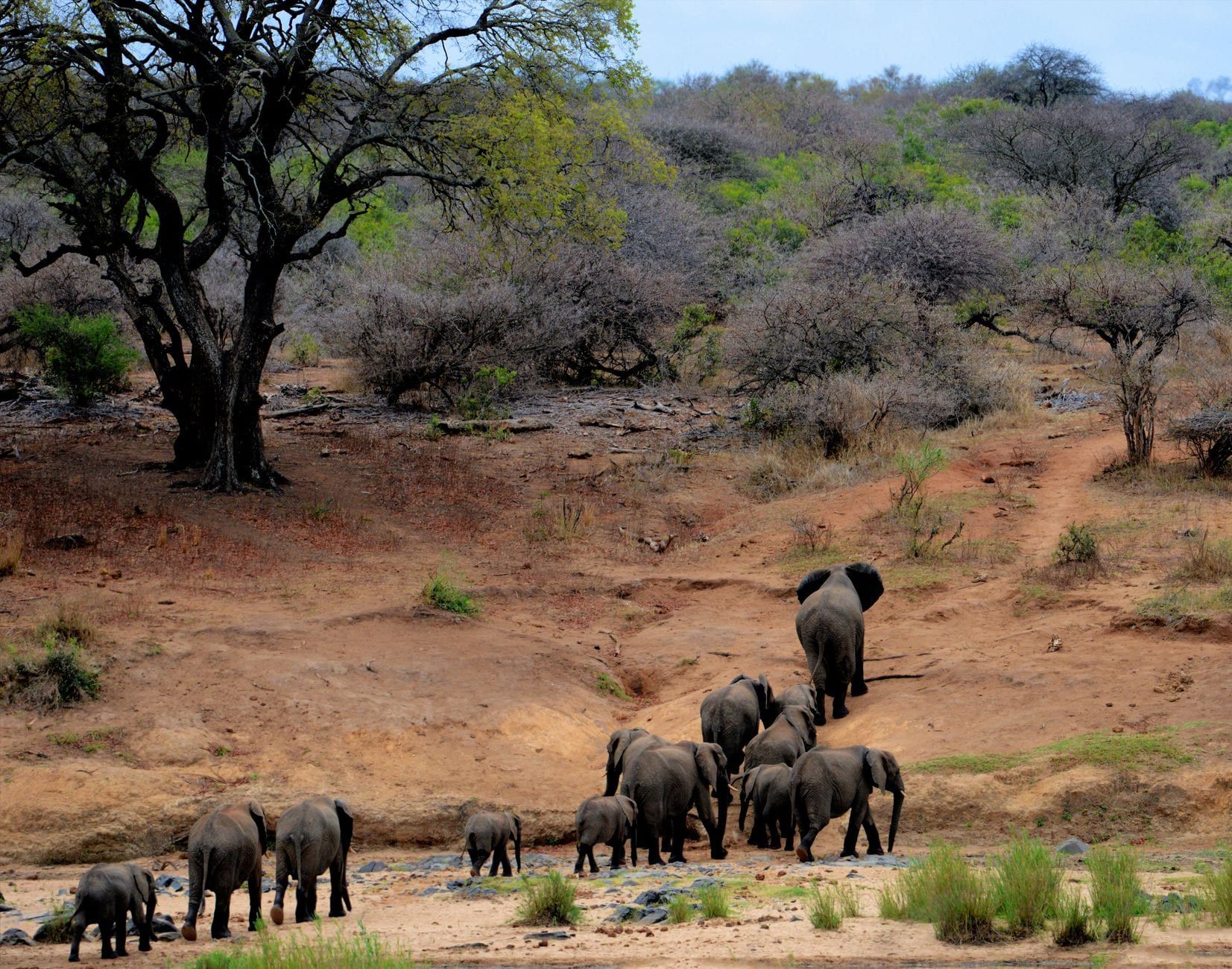
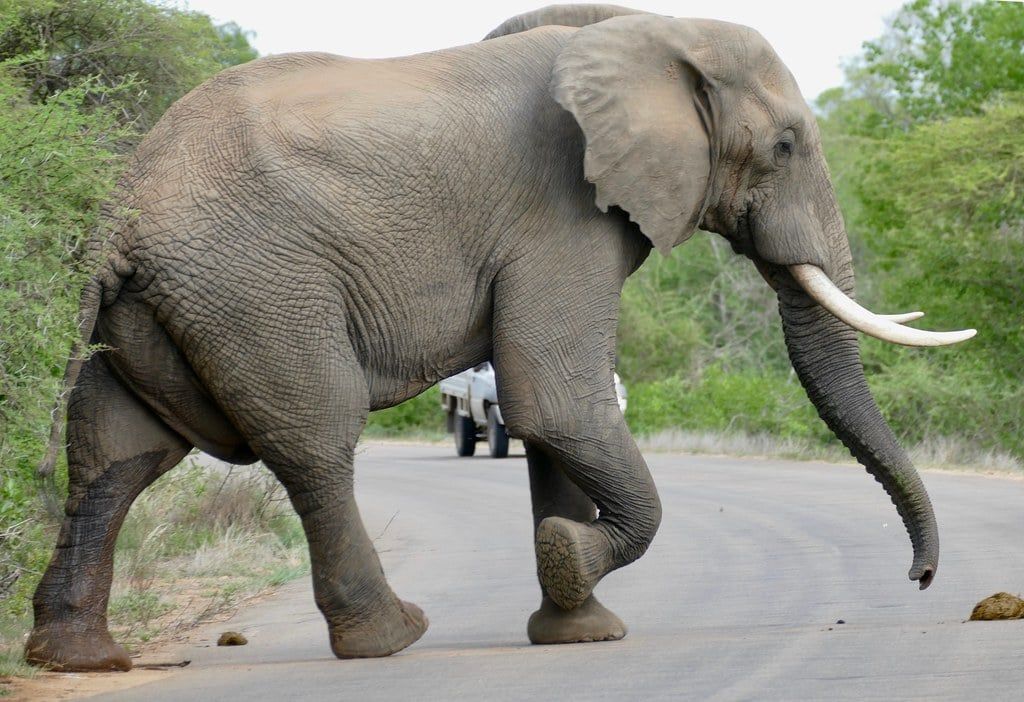
Elephants get the most respect from experienced guides, and for good reason. Bulls in musth and breeding herds with young calves can charge a vehicle that blocks a path to water or crowds a crossing. Give a feeding elephant space, reverse rather than push past, and never drive between a herd and the direction it's moving. Ears out and a head shake is a warning, not an attack — back off slowly rather than reacting fast, since sudden movement or noise is what escalates things.
Buffalo and Hippos
Cape buffalo and hippos worry rangers more than lions do. Old bulls pushed out of a herd can be unpredictable and will charge if cornered near a road. Hippos are the bigger concern: they kill more people across Africa than most predators, because they're territorial, fast over short distances on land, and most dangerous when cut off from the water they're heading back to. That matters most at dusk near camps like Lower Sabie, where hippos graze on open lawns after dark — stick to lit paths and never get between one and the river.
Lions and Leopards
Lions and leopards are what visitors worry about most and, from inside a car, the least likely to cause a problem. Cats generally treat a vehicle as neutral background noise and will doze, hunt or walk right past one unbothered. The risk shows up when people forget the rule — winding a window down for a clearer shot of a pride at the roadside is the single most common way this goes wrong. Stay inside, keep the glass up if a lion is close enough to touch the mirror, and it stays a sighting.
Monkeys and Baboons
Vervet monkeys and baboons around rest camps are a nuisance risk more than a physical one, but SANParks treats it seriously: feeding or disturbing any animal is a punishable offence, and animals that learn to associate people with food can turn aggressive enough that rangers eventually have to put them down. Keep chalet doors and windows closed, don't leave food visible on a table, and never hand anything to a baboon at a picnic site.
Snakes and Scorpions
Snakebite is rare in Kruger because snakes want nothing to do with people and vanish at the first vibration of footsteps. The precaution is basic: carry a torch between your chalet and the ablution block after dark, check shoes before putting them on at rustic camps, and don't reach into log piles or under rocks. Shake out boots and bedding if you're camping, and leave any snake or scorpion you spot alone.
Self-Driving Safety: Speed Limits, Gate Times & Road Rules
Kruger's speed limits are fixed and enforced: 50 km/h on tar roads, 40 km/h on gravel, and 20 km/h inside rest camps. Speed traps operate throughout the park, so a fine is a real possibility. The bigger cost of driving fast is missing animals altogether — most sightings happen at a crawl of around 30 km/h with the windows down and eyes on the treeline.
Gate times matter more than they sound. Entrance and camp gates open at 05:30 in January, February, March, October, November and December, and at 06:00 the rest of the year; closing times slide from 17:30 in the depths of winter (May to July) up to 18:30 in midsummer. Visitors must be inside a camp or through an exit gate by the posted time — arriving late is only excused in genuine emergencies and still triggers a fee, around R500 at Skukuza. Check the current gate times and entry fees before you travel, since they shift monthly. Being shut outside a fenced camp after dark, on unlit roads with free-roaming predators, is the scenario every ranger wants visitors to avoid.
Off-roading is banned everywhere except licensed 4x4 Eco Trails, both to protect the vegetation and because leaving the tourist road network is how vehicles get properly stuck a long way from help. Fill the tank before entering — fuel stations sit only at the larger camps, with 60-70 km between some of them. Carry more water than feels necessary, since a breakdown in Lowveld heat with no shade turns uncomfortable fast, and don't race the last of the daylight to make a gate. A noise curfew runs from 21:30 to 06:00, which happens to be prime time for predators to move.
Crime & Personal Safety In and Around Kruger
Crime against tourists inside Kruger itself is genuinely rare. The park is fenced, gated and patrolled, and the areas most visitors move through — rest camps, picnic sites, tar roads — see far more staff presence than a typical rural highway. Most safety concerns inside the fence are about wildlife, driving and heat, not other people.
The exception is opportunistic theft from unattended vehicles at picnic sites and viewpoints. Lock the car, keep bags and cameras out of sight in the boot, and don't leave a phone charging visibly on the dash while you walk to a hide. It's the same low-level precaution you'd take in any parking lot, nothing specific to Kruger.
The bigger crime risk sits outside the park, in the cities you pass through to reach it. Johannesburg carries far more everyday street crime than Kruger, and it's the main international gateway for most overseas visitors. The good news is that OR Tambo International Airport sits on the eastern edge of the city, on the same side as the road toward Kruger, so there's no need to drive through the city centre at all. Head out on the N4 toll route via Mbombela and you avoid Johannesburg almost entirely.
Drive the 390-420 km from Johannesburg in daylight where possible — it's a 4.5 to 5.5 hour trip, and fatigue on unfamiliar roads is a real factor after a long flight. Malelane or Numbi Gate cuts hours off the drive compared with entering further north if you're staying near Lower Sabie or Skukuza; check which gate sits closest to your camp before you plan the route. For route options and gate comparisons, see our guide to getting to Kruger National Park. Save SANParks' toll-free breakdown number, 0800 030 666, before you set off.
Health Safety: Malaria, Water, Heat & Medical Emergencies
Kruger sits inside a malaria zone, and the risk isn't constant through the year. It peaks in the wet season, October through May, with the worst mosquito numbers between January and May; the dry winter months carry low risk. Talk to a doctor or travel clinic a few weeks before you fly — the right prophylaxis depends on your health history and length of stay, and SANParks advises every visitor to follow their doctor's instructions rather than guess.
Cover up at dusk and dawn, when mosquitoes are most active, and use a DEET-based repellent on exposed skin. Rest camp chalets have screened windows, and most rooms come with mosquito nets or coils. Use them even for a single night's stay.
Tap water in Kruger's rest camps is safe to drink straight from the tap, though bottled and filtered water is sold at every camp shop if you'd rather skip the taste of borehole water.
Heat is the quieter risk. Summer, October to March, regularly pushes past 35°C in the Lowveld, and dehydration creeps up fast on a long game drive with the windows down. Carry more water than feels necessary, wear a hat even inside the car, and treat a headache or light-headedness on a hot afternoon as a reason to head back to camp rather than chase one more sighting.
Medical emergencies run through camp reception and ranger dispatch — every camp can reach an emergency response team, and rangers on patrol carry radios linked to park control. Keep prescription medication in your daypack rather than checked luggage, confirm your travel insurance covers medical evacuation, and note your camp's reception number before heading out on a drive.
Is Kruger Safe for Families, Solo Travellers & First-Timers?
Rest camps are fenced and patrolled, with gates that close at night, but they aren't sealed off from smaller wildlife. Vervet monkeys, bushbabies, the odd bat and plenty of insects are part of camp life, and that's normal, not a security lapse. Our accommodation guide compares rest camps and private lodges across the Greater Kruger in more detail.
Thousands of families bring children through Kruger every year without incident. The rule doesn't bend: kids stay inside the vehicle at all times outside fenced areas, same as adults, and are supervised at camp pools and around monkey-proof bins. Some guided activities, like walking safaris and certain night drives, carry minimum age limits, so check before booking with younger children.
Solo travellers face the same precautions as anyone driving South Africa's roads alone: plan the route, don't push into the last hour of daylight to make a gate, and watch the fuel gauge rather than running it close. Inside the park, a solo self-drive is no riskier than a group one — the rules protecting you are the vehicle, the speed limit and the gate time, not who's in the passenger seat.
First-timers usually arrive nervous and relax within the first game drive. The nerves are almost always about the unknown — what a mock charge actually looks like, how close is too close — and those questions have concrete answers, which is the point of this guide.
Self-Drive vs Guided Safari: Which Is Safer?
Both options are safe when the rules are followed — the difference is who's responsible for following them. Self-driving puts route planning, speed discipline and animal-reading entirely on you; a guided safari hands that responsibility to someone who does it every day.
| Self-Drive | Guided Safari | |
|---|---|---|
| Gate times and speed discipline | You track and enforce them yourself | Built into the guide's itinerary |
| Best suited to | Experienced, independent travellers | First-timers, families, older travellers |
| Reading animal behaviour | Learned on the road, in real time | Interpreted by a trained guide |
| Cost | Lower — fuel, car hire, entry fees | Higher — guiding and vehicle included |
| Flexibility | Full control of route and pace | Fixed itinerary set by the operator |
First safari, travelling with young kids, or just want to relax instead of watching the clock? Book a guide. A private safari or small-group guided game drive removes the gate-time math and puts a trained eye on every sighting. Confident behind the wheel and happy to learn the rules yourself? Self-driving is cheaper and lets you linger at a sighting as long as you like.
Kruger Safety Checklist: What to Pack and Mistakes to Avoid
Pack for the specific risks covered above, not for a generic African trip, and most of the checklist below costs nothing but forethought.
- DEET repellent and any antimalarial tablets your doctor prescribed
- A torch for camp walks after dark
- Wide-brim hat, sunscreen and at least 2 litres of water per person daily
- Closed shoes for guided walks and rustic camps
- Travel insurance details and prescription medication kept in your daypack
- Offline or printed gate-times table for when signal drops
- Opening a window or door for a closer photo of a lion or elephant
- Speeding to make up time, then arriving at the gate rattled anyway
- Leaving camp after dusk without a torch
- Feeding monkeys, baboons or anything else at a picnic site
- Skipping the doctor's visit and guessing at malaria prevention
None of these mistakes are exotic. They're the same shortcuts people take everywhere, and Kruger is simply less forgiving of them than a city street.
Frequently asked questions
Is Kruger National Park safe for tourists?
Yes, for the large majority who follow SANParks' rules. Over a million people visit every year, and wildlife-related incidents involving tourists are rare.
Is it safe to self-drive in Kruger?
Yes. Speed limits are 50 km/h on tar and 40 km/h on gravel, roads are well signed, and gate times are enforced with fines for lateness.
Is Kruger National Park safe from crime?
Crime inside the fenced, patrolled park is rare; the main risk is theft from unattended cars. Johannesburg and other gateway cities carry more everyday crime risk than the park itself.
Is malaria a serious risk in Kruger?
Kruger sits in a malaria zone, with risk highest in the wet season from October to May and peaking January to May. Winter risk is low. See a doctor before you travel.
Is Kruger safe for children and families?
Yes. Thousands of families visit yearly. Keep kids inside vehicles outside fenced areas and supervise them at camp; some activities like walking safaris have minimum ages.
Is Kruger safe for solo travellers?
Yes, with the same precautions as travelling anywhere in South Africa: plan routes, avoid unnecessary night driving, and watch fuel and gate times.
What is the most dangerous animal in Kruger?
Guides watch elephants, buffalo and hippos most closely since they react fast when surprised. Hippos in particular cause more human deaths across Africa than most predators.
Is a guided safari safer than self-driving in Kruger?
Both are safe when the rules are followed. A guide removes the responsibility of route-planning, speed control and reading animal behaviour, which suits first-timers, families and older travellers.