About All Tours From Johannesburg ToursSafari ToursMulti-Day Tours3-Day ToursWildlife ToursPrivate Tours Directions Hours & Fees Guides
Find Tours 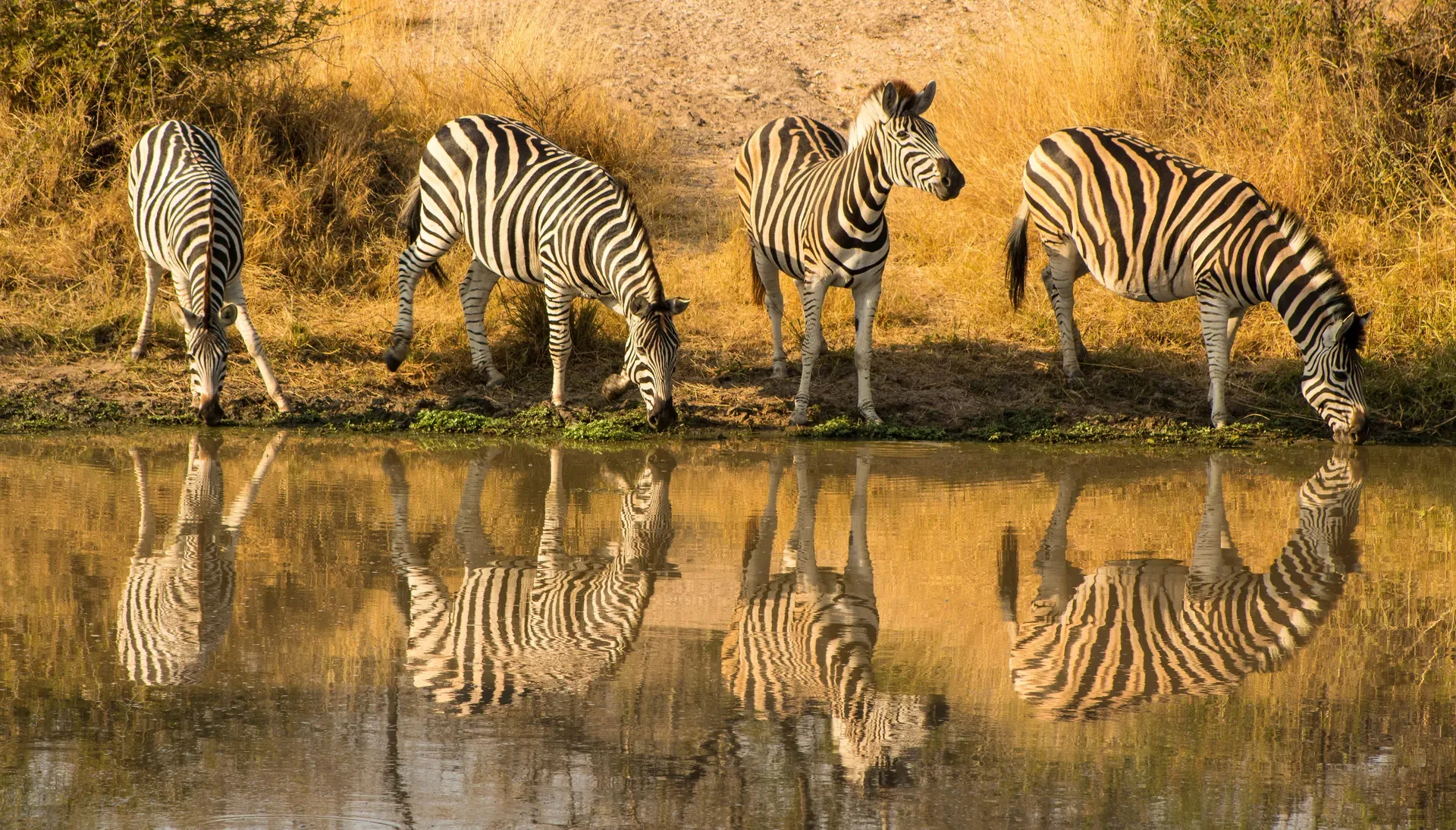
Covering 19,623 square kilometers across Limpopo and Mpumalanga, this reserve holds roughly 17,000 elephants and 1,500 lions. You can self-drive the tarred H4-1 road at dawn to spot leopards drinking from the Sabie River, or join an armed guide for a multi-day walking safari deep into the roadless wilderness.
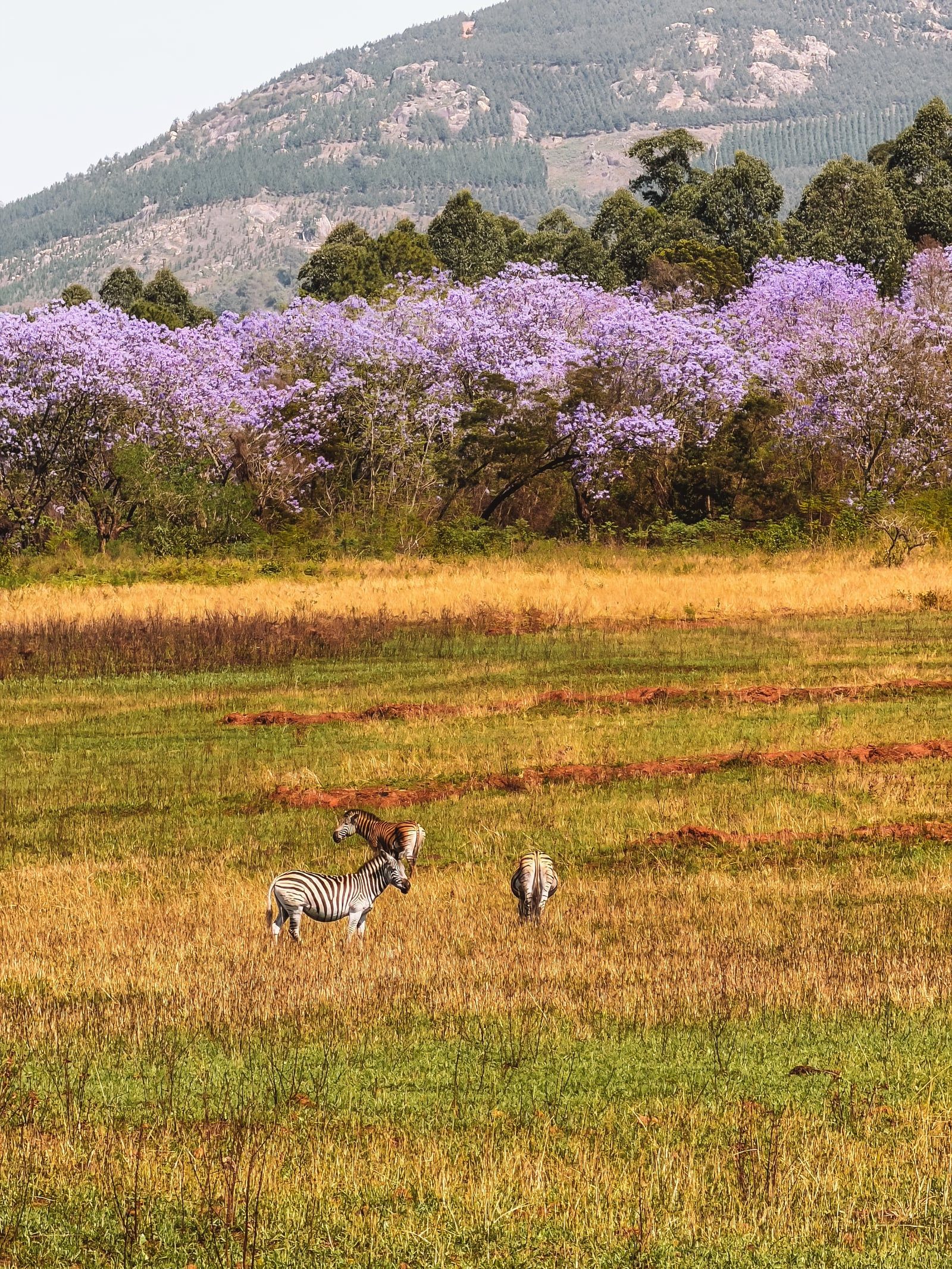
Find Guided ToursKruger National Park covers 19,623 square kilometers of South Africa's Limpopo and Mpumalanga provinces. It runs 360 kilometers north to south, and 65 kilometers across. The terrain shifts constantly. You'll drive through open savanna, mopane woodland, riverine forests, and rocky hills drained by the Sabie, Crocodile, Olifants, Letaba, and Limpopo rivers. Visitors explore the reserve on self-drive routes or guided safaris organized from the headquarters at Skukuza.
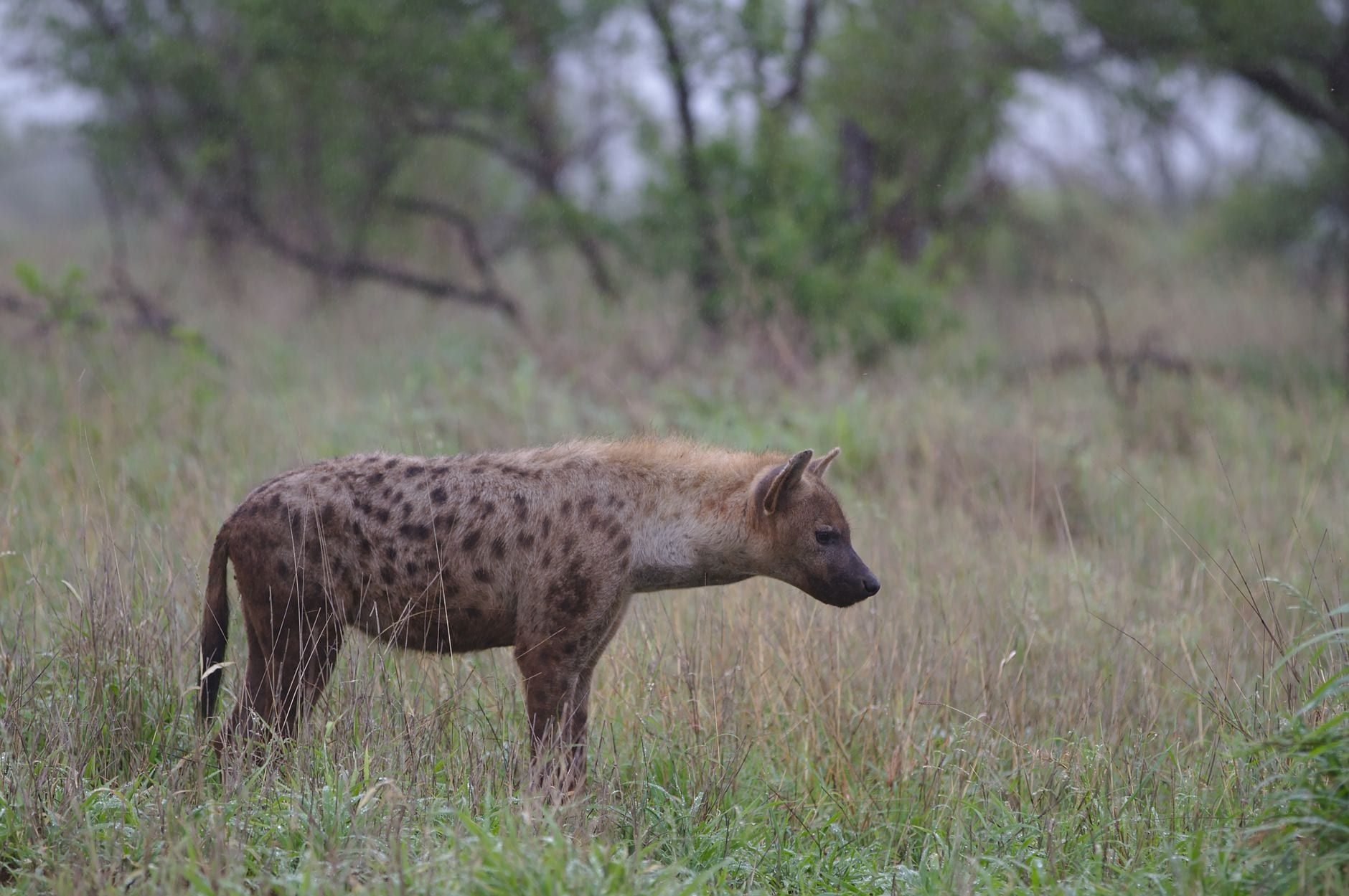
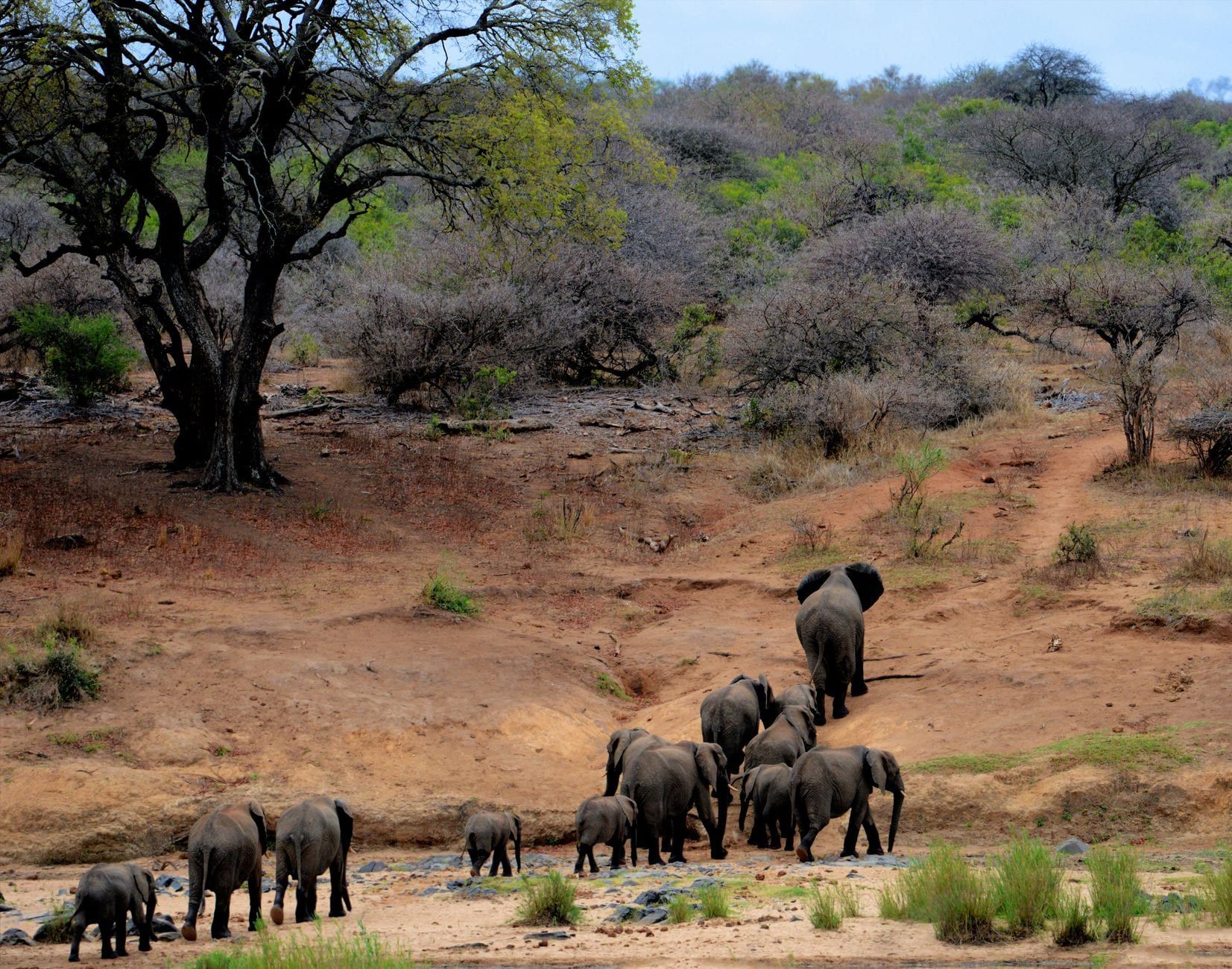
The wildlife numbers are massive. SANParks estimates the reserve holds 17,000 elephants, 48,000 buffalo, 1,500 lions, and 1,000 leopards. They live alongside 148 mammal species and 546 types of birds. Kruger also anchors the Great Limpopo Transfrontier Park. This 3.5-million-hectare conservation area links South Africa directly with Mozambique and Zimbabwe.
The area began as a strict measure to stop uncontrolled hunting. On March 26, 1898, South African Republic President Paul Kruger proclaimed the land between the Sabie and Crocodile rivers as the Sabie Game Reserve. James Stevenson-Hamilton took over as the first warden in July 1902.
Decades later, the government passed the National Parks Act on May 31, 1926. The legislation combined the Sabie and Shingwedzi reserves into a single protected zone. Renamed Kruger National Park, it's South Africa's first national park.
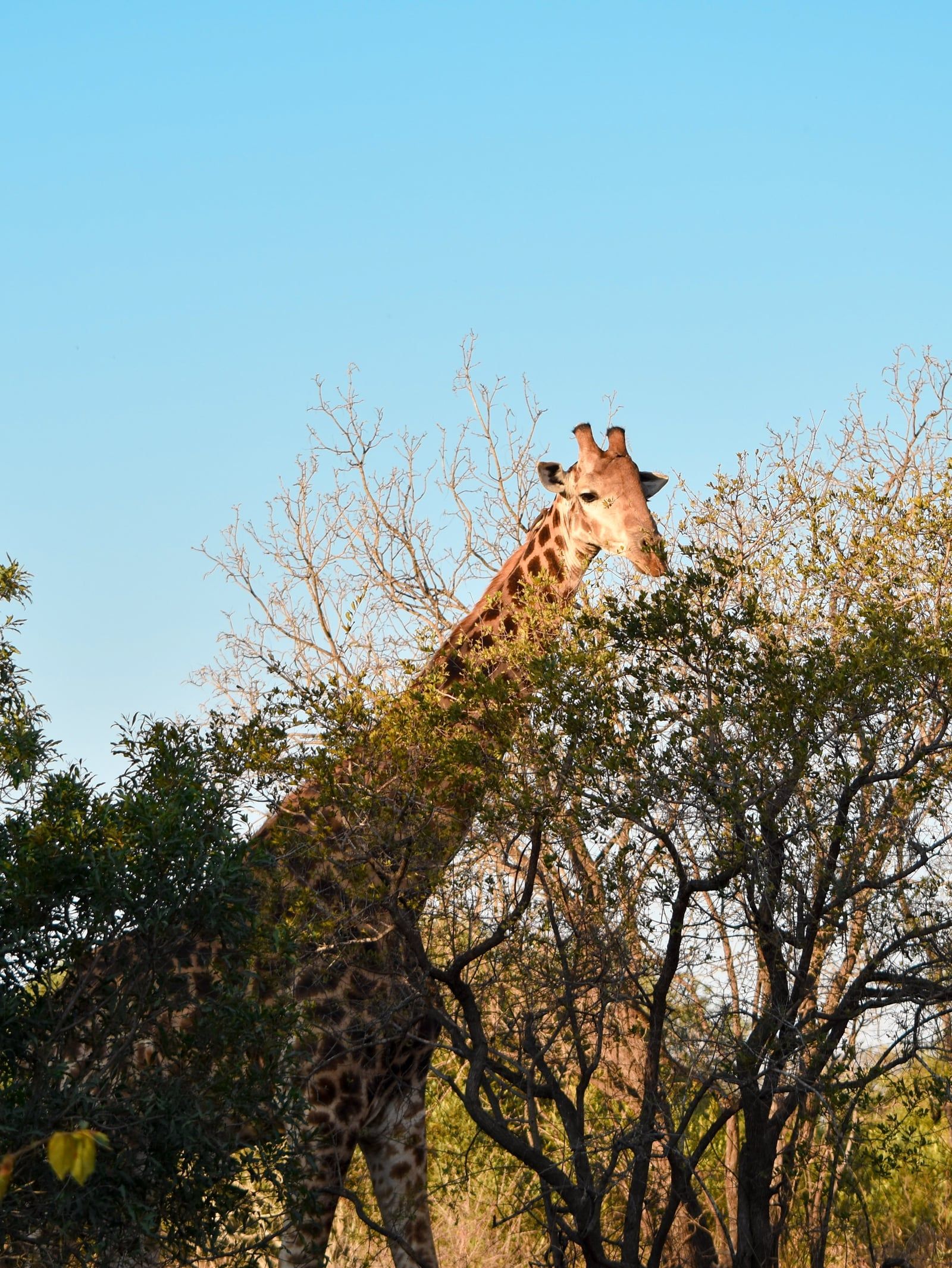
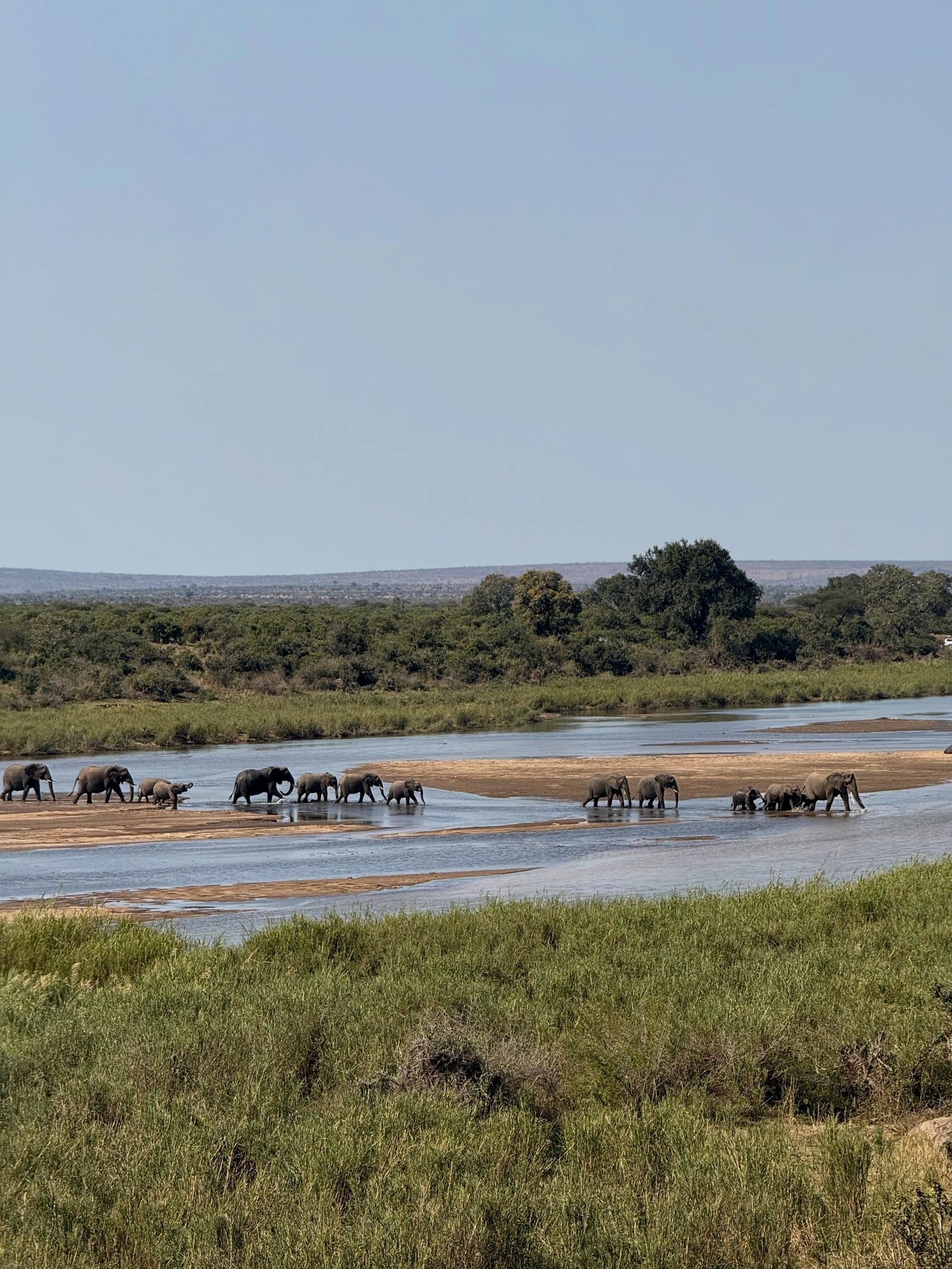
Discover the full history and cultural significance on our About page.
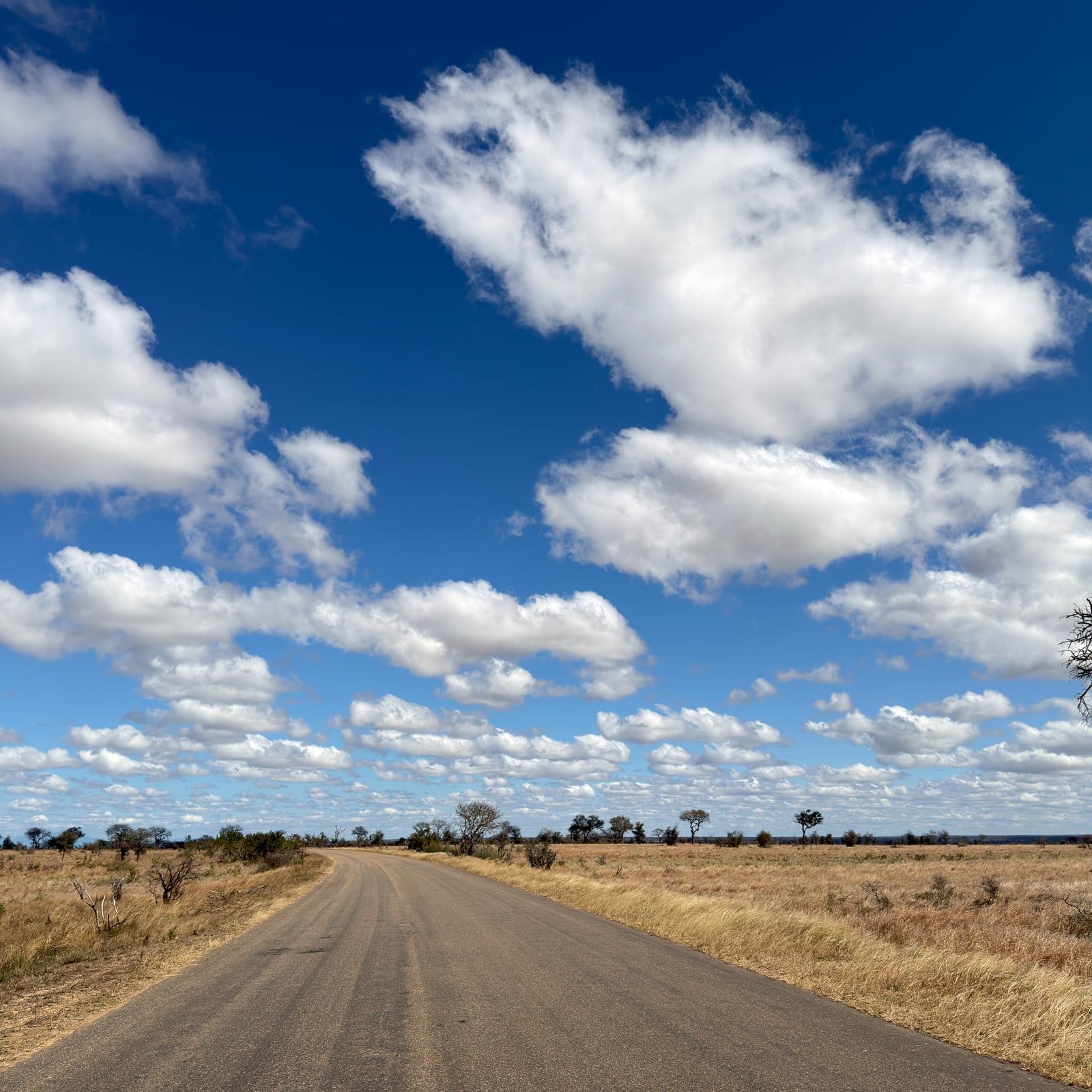
The H4-1 route between Lower Sabie and Skukuza consistently delivers heavy predator traffic. Get on the road early. Dawn pushes lions, leopards, and elephants toward the Sabie River to drink. You'll spot them right from your vehicle.
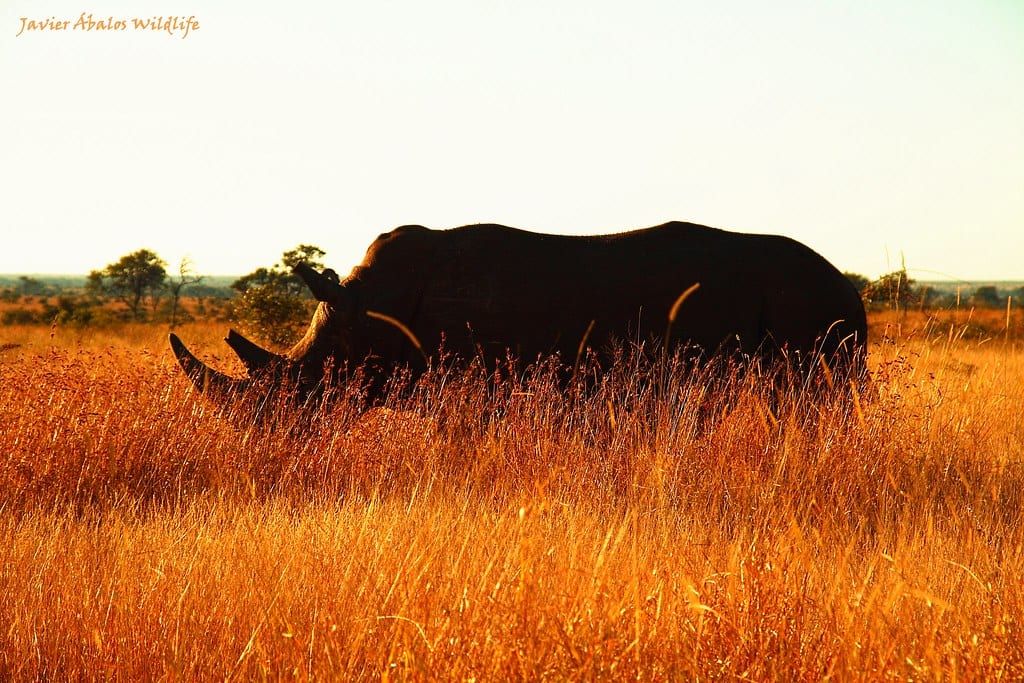
Leave the car behind. Two armed field guides lead groups of up to eight people into the bush for three hours. You'll track fresh spoor and learn basic survival skills. Encountering rhinos, buffalo, or giraffes at ground level completely changes the scale of the park.
Just a five-minute drive from Lower Sabie Rest Camp, this roadside waterhole packs in the animals. Pull over late in the afternoon. You'll find dense clusters of hippos and crocodiles sharing the water with drinking elephants and buffalo. It's an easy, high-yield stop before the gates close.
Satara Rest Camp sits squarely in prime lion territory. Head out into the surrounding open plains right at sunrise. The flat grasslands make spotting easier, and prides of 20 or more lions regularly patrol this central section of the reserve.
Compare safaris from $51, ranging from five-hour morning drives to 11-hour private excursions with free 24-hour cancellation.
Swipe to see more
The dry winter months between May and September offer the most reliable game viewing. Vegetation thins out and animals gather around rivers and waterholes, making them much easier to spot.
September brings milder mornings and excellent visibility at waterholes before the rains arrive. By November, heat and humidity spike, vegetation thickens, and the malaria risk begins to climb.
Heavy rains fuel dense vegetation that easily conceals wildlife. Expect intense heat, high humidity, peak malaria conditions, and long queues at gates during the December and January school holidays.
March continues the hot, wet summer conditions with thick bush obscuring animals. Rains taper off by May, thinning the landscape and drawing wildlife back to permanent water sources.
The prime game-viewing window. Rainfall drops, roads clear up, and the dry bush forces animals to gather in large numbers at rivers and shrinking waterholes. Midwinter mornings get cold.
Entrance gate times shift with the seasons. From April through September, they open at 06:00. During the rest of the year, expect a 05:30 start. Camp gates open even earlier—as early as 04:30 in November, December, and January. Closing times depend on daylight. Gates shut at 17:30 in mid-winter (May, June, July) and push out to 18:30 in peak summer (January, February, November, December). For the shoulder months of March, April, August, September, and October, the cutoff is 18:00. You must be through an exit gate or inside a rest camp before the daily deadline. Late arrivals face fines.
| Category | Price |
|---|---|
| International Adult (12+) | R602 |
| International Child (2-11) | R300 |
| SADC National Adult | R275 |
| SADC National Child | R137 |
| South African Citizen/Resident Adult | R134 |
| South African Citizen/Resident Child | R67 |
Prices listed are daily conservation fees valid for the 2025/26 season (ending 31 October 2026). Pre-booking a day visit adds a non-refundable fee of roughly R53 per adult and R26 per child. South African citizens and residents enter free during the annual SA National Parks Week.
For complete schedules and ticket prices, visit our Hours & Fees page.
Most visitors fly directly into Skukuza or Hoedspruit, or drive the roughly 400 kilometers from Johannesburg. Road transfers and private shuttles fill the gaps between regional airports and specific park gates.
Airlink runs daily scheduled flights from OR Tambo International Airport straight into the park at Skukuza Airport. The outbound flight leaves Johannesburg at 10:00. The return departs at 13:20. Cape Town also offers a daily service to Skukuza. Renting a car from Avis right at the camp makes onward travel simple.
Drive the roughly 400 kilometers from Johannesburg to the southern gates via the N12 and N4 highways through Mbombela. A scenic alternative follows the R540 and R36 through Dullstroom. Avis operates rental desks at OR Tambo, regional airports, and Skukuza. Just watch the clock to beat the strict evening gate closures.
Kruger Mpumalanga International Airport catches daily regional flights between Nelspruit and White River. From the terminal, Private Connections runs a shuttle covering the 40 kilometers to the Numbi Gate area. That's the one to book if you aren't renting a vehicle. You must arrange this transfer directly with the operator, as SANParks ignores third-party transport.
Eastgate Airport at Hoedspruit acts as the main gateway for central camps like Orpen and Satara. Flights arrive daily from Johannesburg and Cape Town. The Orpen Gate sits about 70 kilometers from the tarmac. Grab a rental car or book a private lodge transfer on arrival to cover the final stretch.
For detailed transport options and routes, visit our Directions page.
Animals head down to the Sabie River to drink during the cooler morning hours. Hit the road right when the gates open between 05:30 and 06:00. The route connecting Lower Sabie and Skukuza consistently delivers lion, leopard, and elephant sightings. Keep your speed around 30 km/h.
Leave bright colors, stark whites, and black items at home. These shades attract insects, show dust instantly, and make you highly visible to wildlife during guided walks. Stick to khaki, olive, and light grey. You'll stay cooler and blend into the bush environment.
Entrance and camp hours shift throughout the year based on daylight. Gates close as early as 17:30 in mid-winter and 18:30 in summer. You must be inside a camp or out of the park by the stated time. Rangers strictly enforce this rule with fines for late arrivals.
Flying unmanned aircraft anywhere inside or over Kruger is a criminal offense under the Protected Areas Act. The restriction extends roughly 10 km past the park boundaries. Rangers will confiscate equipment and issue heavy fines. Stick to ordinary handheld cameras for personal photography.
Kruger works well for elderly visitors and wheelchair users since most wildlife viewing happens from your car. Choose camps like Lower Sabie or Skukuza for overnight stays. They feature short, level paved paths connecting the chalets, shops, and reception areas. You won't need to navigate rough terrain.
South African summer holidays in December and January bring massive crowds and extreme heat to the park. SANParks enforces strict daily visitor quotas during these peak weeks. Book your day visit time slots well in advance. Otherwise, you risk sitting in long gate queues or being turned away.
Drive the escarpment west of the park to see the Blyde River Canyon. You'll look down 800 meters across the Lowveld from God's Window, then walk among the eroded rock formations at Bourke's Luck Potholes.
This unfenced private reserve shares an open boundary with Kruger. Top-tier lodges run off-road guided game drives here, giving you some of the most reliable leopard sightings in Africa.
It's an intact 19th-century gold-mining village operating as an open-air museum. Walk past restored miners' cottages, a printing museum, and old general dealer stores from the South African gold rush.
Read what travelers share about their experience visiting Kruger National Park — from practical tips to personal highlights.
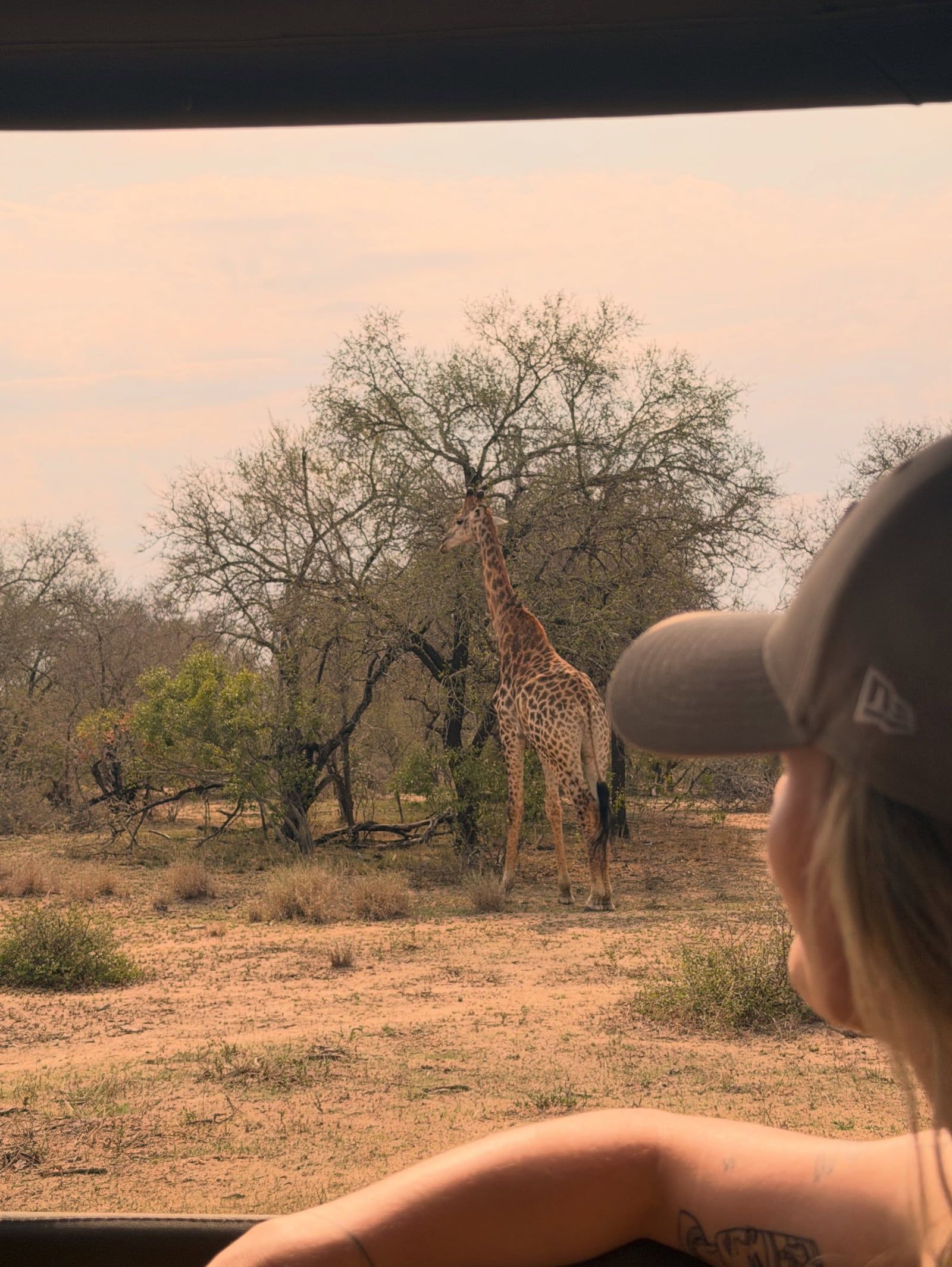
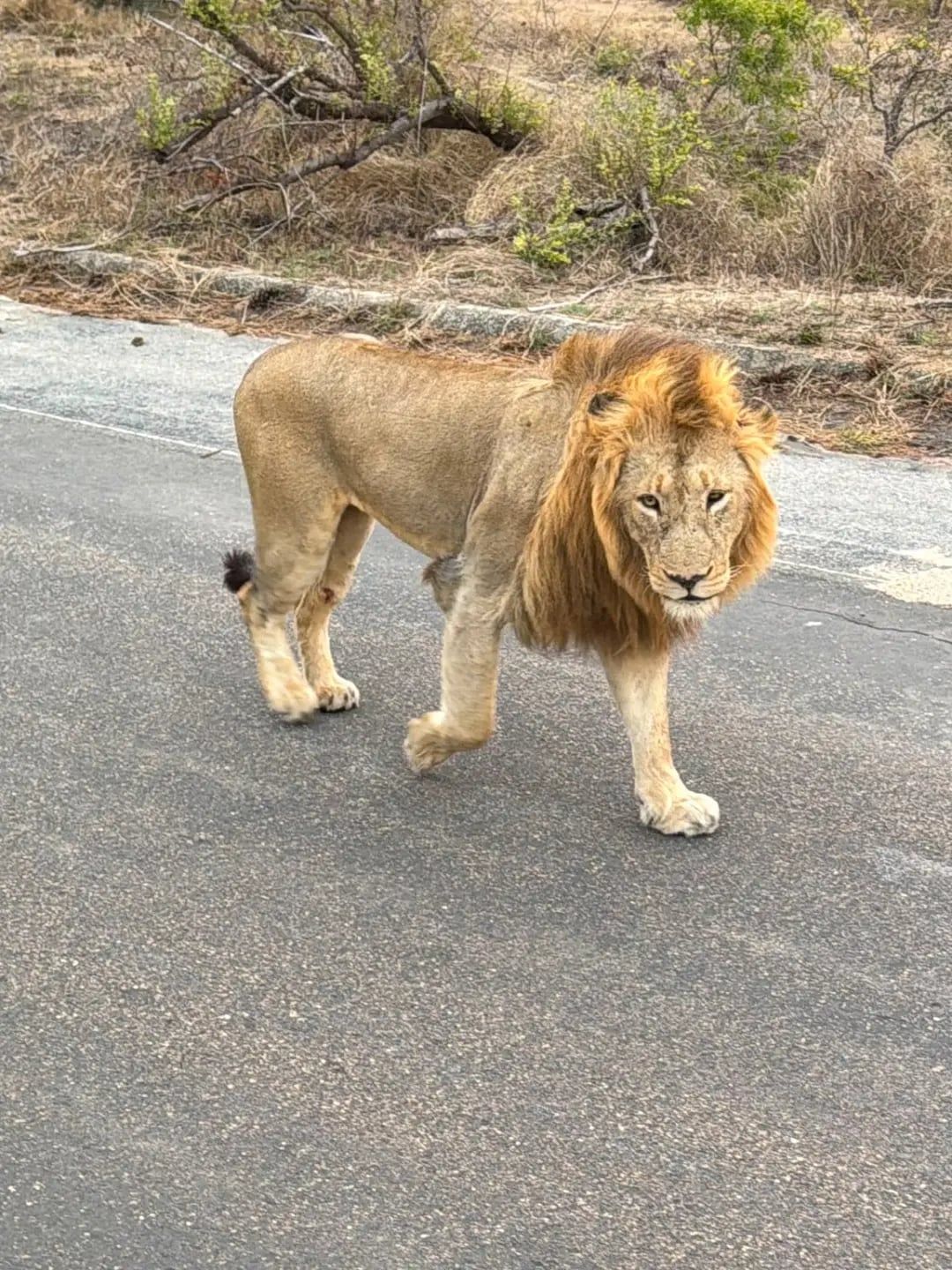
Planning advice, comparisons, and practical tips.
Kruger National Park spreads across 19,623 km² of Limpopo and Mpumalanga, and where you sleep inside that space changes the whole trip. A rest camp…
Kruger and Hwange sit at opposite ends of southern Africa's safari spectrum. One is a self-drive powerhouse with tarred roads and rest-camp shops;…
Yes, Kruger National Park is safe for almost every visitor who follows SANParks' rules on vehicles, speed and distance from animals. Over a million…
Kruger National Park packs about 148 mammal species, 546 bird species and 114 reptile species into 19,623 km² of savanna, riverine forest and mopane…
International visitors pay a daily conservation fee of R602 per adult and R300 per child for the 2025/26 season. South African citizens pay R134 per adult, while SADC nationals pay R275. Day visitors booking in advance also pay a non-refundable booking fee of roughly R53 per adult.
Go between May and September. The dry winter thins out the dense vegetation and forces animals to gather at rivers and waterholes, making them easy to spot. September is ideal because the mornings lose their bitter midwinter chill.
Entrance gates open at 05:30 in the summer months and 06:00 from April through September. Closing times shift with the sunset, ranging from 17:30 in midwinter to 18:30 in December and January. You must be inside a camp or out of the park by closing time, or you get fined.
The drive covers roughly 390 to 420 kilometers. Expect 4.5 to 5.5 hours on the N12 and N4 toll roads to reach the southern gates. If you prefer to skip the highway, Airlink runs a daily 45-minute flight from OR Tambo straight into Skukuza Airport at 10:00.
Yes, Kruger sits entirely within a malaria zone. The risk spikes during the wet summer months from November to April. Talk to a doctor about prophylaxis before you travel, and pack insect repellent.
A standard sedan handles Kruger perfectly well. The tourist roads are either tarred with a 50 km/h speed limit or well-maintained gravel capped at 40 km/h. You only need a 4x4 if you book one of the specific guided Eco Trails.
Yes, you view most wildlife from a vehicle on flat roads. Rest camps like Lower Sabie and Skukuza feature short, level paved paths connecting the chalets, shops, and reception. The Buffelsfontein Visitors Centre provides dedicated disabled parking and accessible toilets.
No. Drones are illegal inside and over all South African national parks. If you fly one, you risk fines and confiscation under the Protected Areas Act, so stick to a standard handheld camera.
Browse verified tours with free cancellation and instant confirmation.
Find Tours


