Kruger and Hwange sit at opposite ends of southern Africa's safari spectrum. One is a self-drive powerhouse with tarred roads and rest-camp shops; the other is a guided, elephant-dense wilderness on the edge of the Kalahari. Kruger covers 19,623 km² in northeastern South Africa and pulls in more than 1.8 million visitors a year. Hwange covers roughly 14,651 km² in western Zimbabwe and sees a fraction of that traffic.
Want a guaranteed Big Five checklist and the freedom to explore in a rental sedan? Kruger wins that argument. Want elephant herds running into the tens of thousands and near-solitary waterhole afternoons? Hwange takes it. The rest of this guide breaks down exactly where each park pulls ahead, and where you can get both without picking sides.
Hwange vs Kruger at a Glance
The numbers tell most of the story before you book a flight. Kruger is about a third larger than Hwange and built for cars: tar and gravel roads link a dozen rest camps, each with a shop, fuel pump and restaurant. Hwange has none of that inside its boundary - no fuel, no shops, gravel and sand tracks only - so almost everyone visiting stays at a guided concession lodge rather than renting a car. Kruger's elephant population, at roughly 17,000, is dwarfed by Hwange's 44,000-45,000, the second-largest herd on the continent after Botswana's Chobe National Park. Rhino, though, only show up reliably in Kruger; Hwange's are kept in protected sanctuaries away from the main game-viewing routes.
| Category | Kruger | Hwange |
|---|---|---|
| Park size | 19,623 km² | ~14,651 km² |
| Elephants | ~17,000 | 44,000-45,000 |
| Rhino | Black & white, reliable sightings | Sanctuary-protected, not expected on drives |
| Daily cost range | ~$55-$900/day | ~$100-$700/day |
| Access style | Self-drive friendly | Mostly guided/concession-based |
| Annual visitors | 1.8 million+ | Far fewer, low crowd density |
Neither column tells you which trip you'll actually enjoy more - that depends on how you like to travel, and the rest of this guide works through why.
Location, Getting There & Getting Around
Kruger sits in South Africa's northeast, split between Limpopo and Mpumalanga provinces, close enough to Johannesburg that you can be on a game drive by mid-afternoon. Airlink runs a daily direct flight from OR Tambo International Airport to Skukuza Airport, inside the park, in about 45 minutes; driving the same route on the N4 toll highway takes 4.5 to 5.5 hours. Kruger Mpumalanga International Airport, near Nelspruit, is another common gateway for the final stretch to gates like Numbi or Phabeni. Once inside, the road network is Kruger's biggest advantage: tar and well-graded gravel connect every camp, a standard sedan handles it fine, and each rest camp stocks fuel, groceries and a restaurant. If you'd rather skip the logistics entirely, a guided tour from Johannesburg handles transfers and game drives in one booking. Check how to get to Kruger before you fly in, since gate hours shift by season and late arrivals draw fines.
Hwange sits at the opposite end of the region, in western Zimbabwe near the Botswana border, and almost everyone reaches it through Victoria Falls Airport - about 90 minutes by road or a 30-40 minute charter flight, roughly $170-230 round trip. Harare is the other option for travelers flying in from further afield. A tar road covers the roughly 2-3 hour drive between Victoria Falls and Hwange, which makes bolting the two together an easy add-on. Inside the park, roads turn to gravel and sand, there's no fuel or shop beyond what individual lodges stock, and self-drivers without local experience can end up stuck. That's why most Hwange visitors book a guided concession stay instead of a rental car - the terrain decides it for them, not caution alone.
Wildlife & Big Five Face-Off
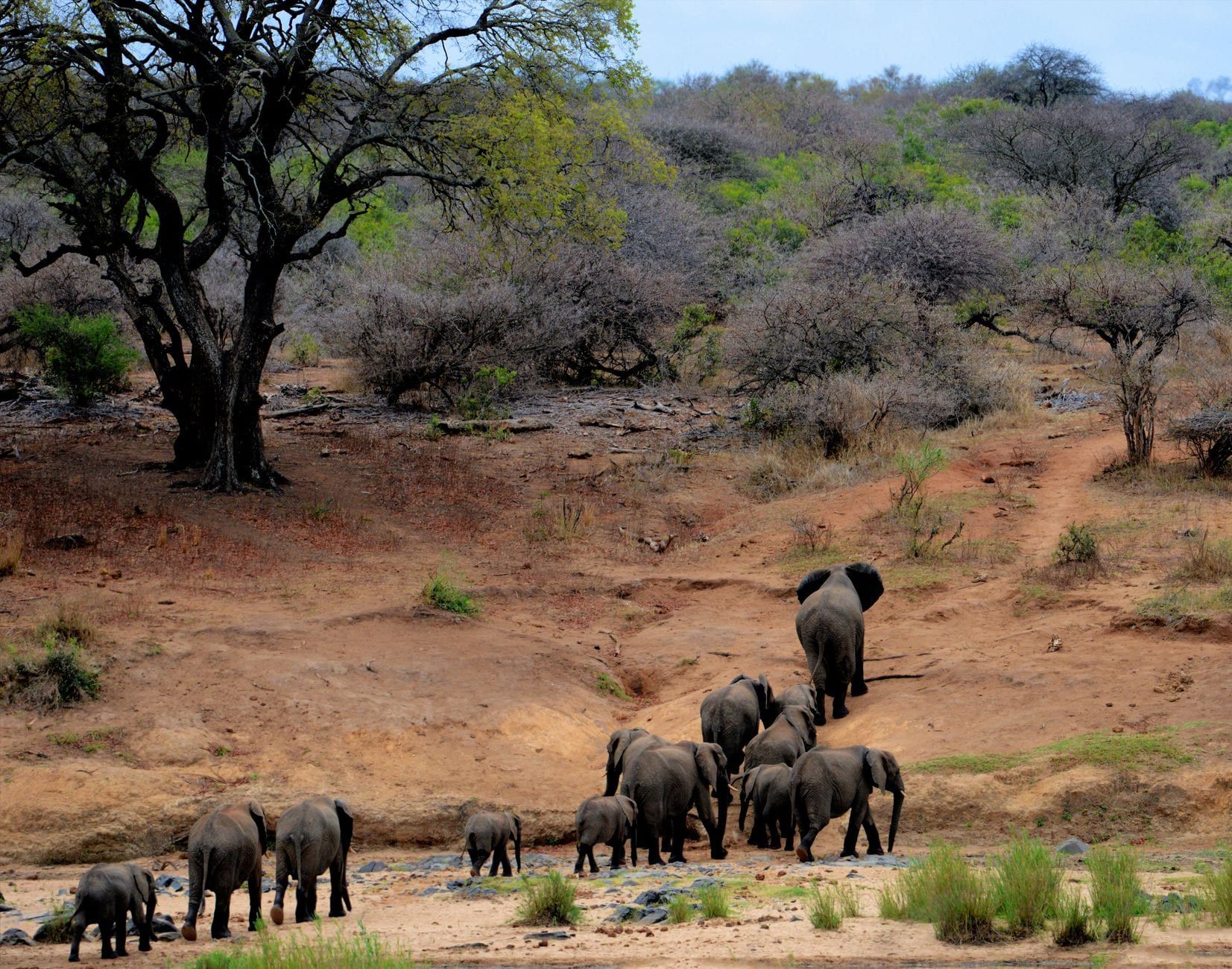
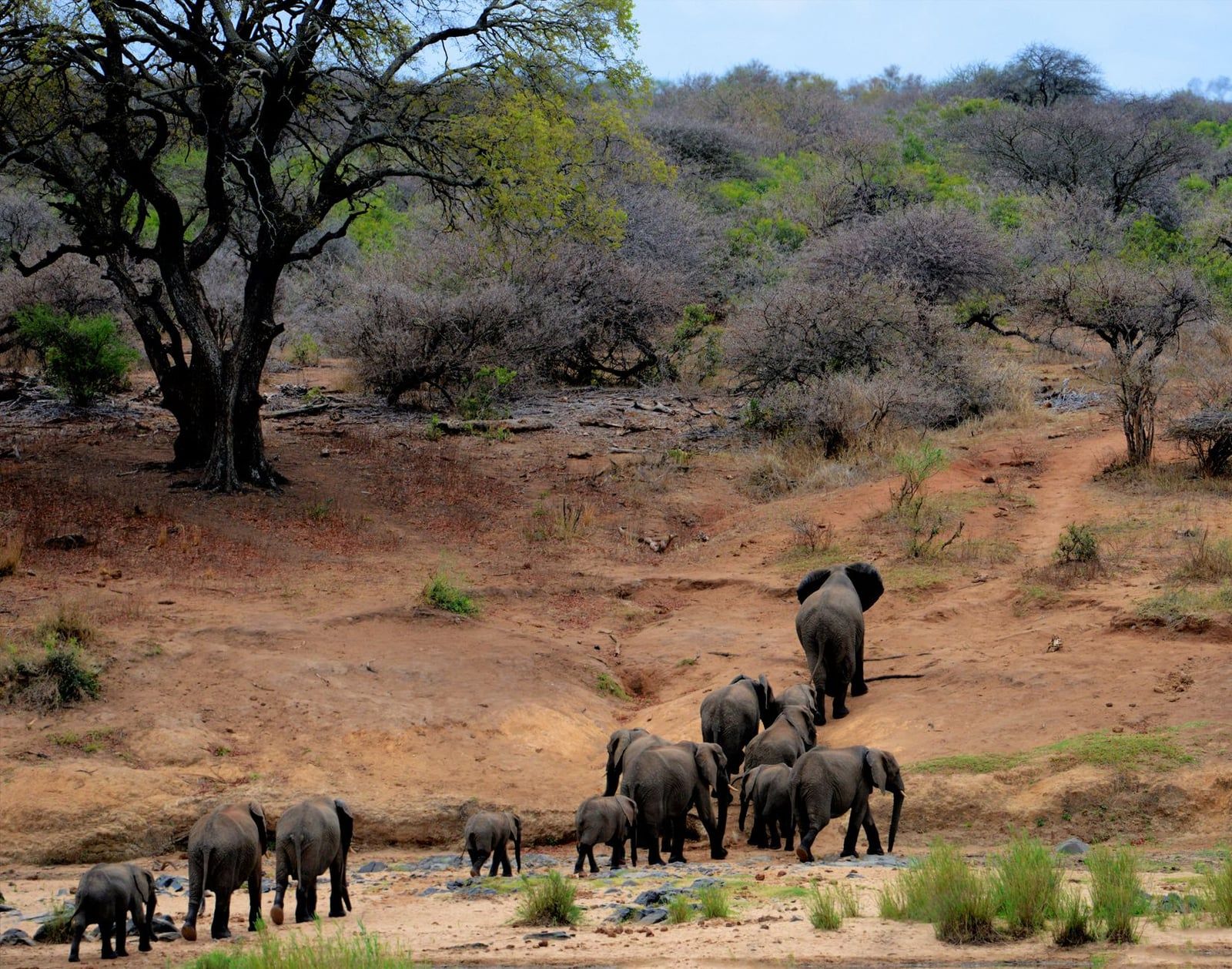
Elephants are Hwange's headline act. An estimated 44,000-45,000 roam the park, the second-largest population in Africa after Chobe, and the dry season pushes them into tight herds around engineered, solar-pumped waterholes where a hundred animals or more can be drinking at once. Kruger's elephants, at around 17,000, spread across a much bigger, more varied park, so single-sighting numbers rarely match Hwange's spectacle - though a mixed herd wading the Sabie River near Lower Sabie is a fair rival.
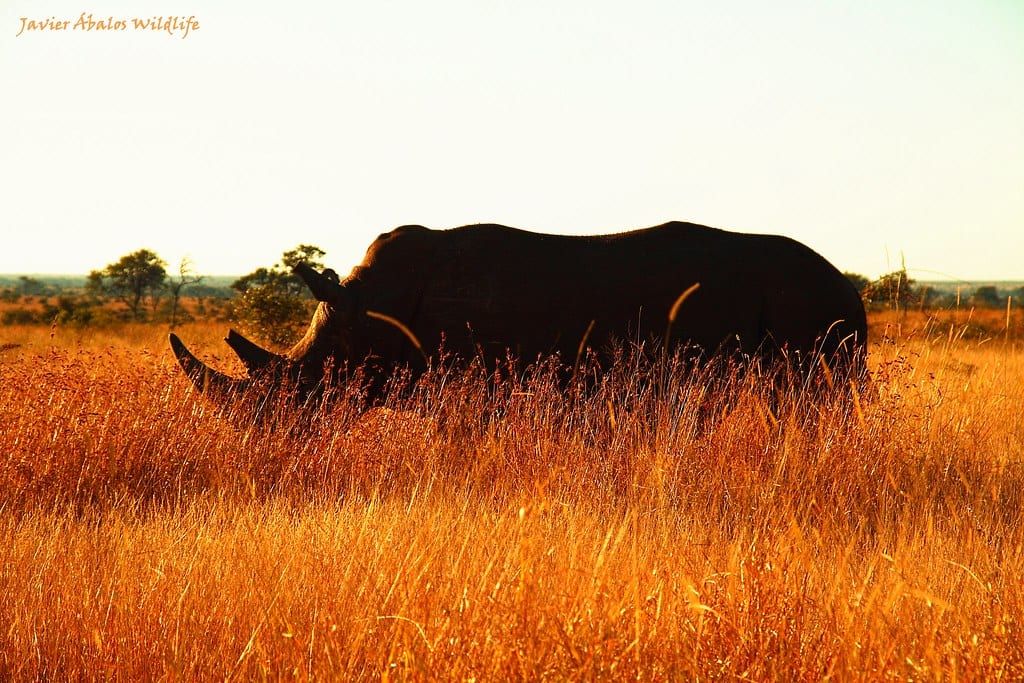
Rhino flip the comparison. Kruger holds both black and white rhino as part of a genuine, reliable Big Five circuit - sightings aren't guaranteed on any single drive, but the odds are real. Hwange's rhinos live in protected sanctuaries away from the main tourist routes, kept there for their own safety, so don't plan on ticking rhino off inside the park itself. If completing the Big Five matters to you, that's a point squarely for Kruger.
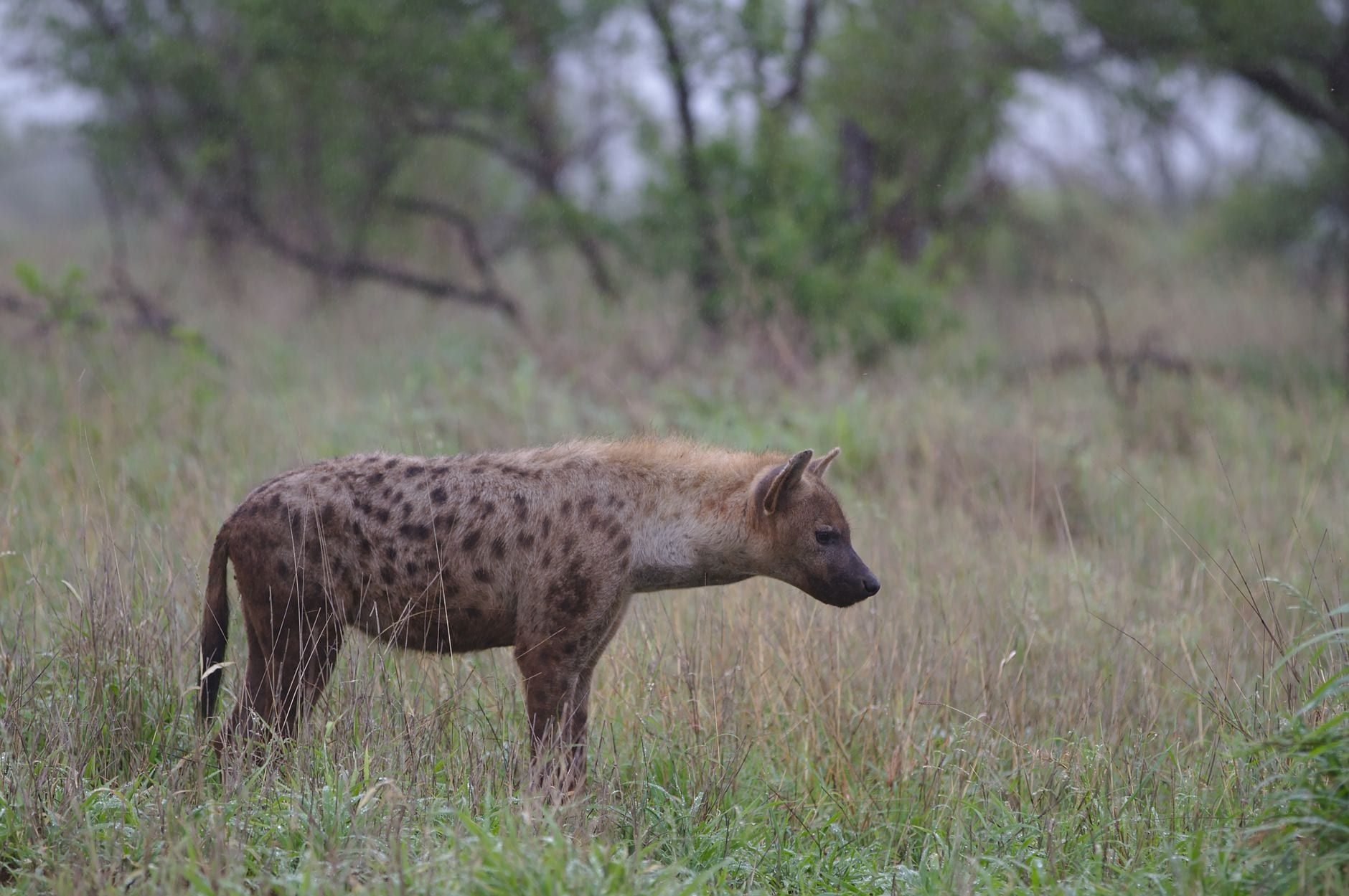
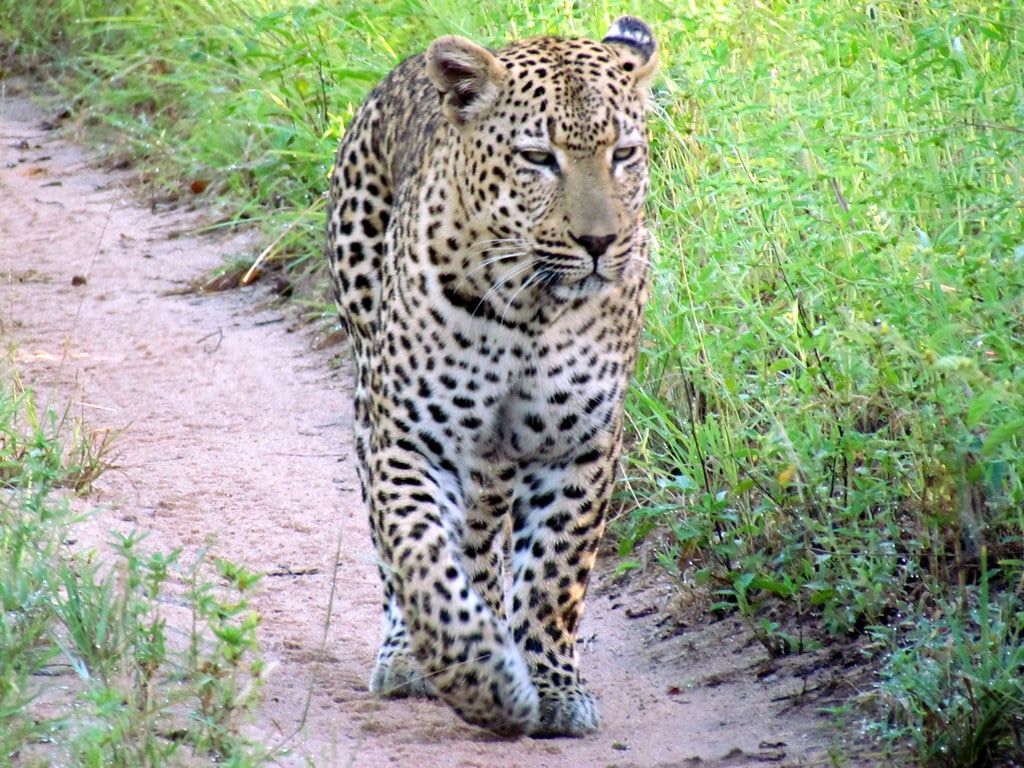
Wild dogs favor Hwange. More than 30 resident packs den within the park, making it one of the continent's most consistent places to see Africa's most endangered large carnivore. Kruger has wild dogs too, but they range over huge territories and turning up on the right day takes luck rather than planning. Cheetah and leopard lean toward Kruger, particularly its neighboring private reserves - Sabi Sands' habituated leopards are near-guaranteed sightings after decades of tracking, a reliability Hwange doesn't match. A dedicated safari tour built around Sabi Sands puts leopard sightings near the top of the odds.
On raw numbers, Kruger supports around 148 mammal species and 546 recorded bird species; Hwange holds over 100 mammal species and 400-plus bird species. Specialist birders and antelope-watchers get an extra reason to pick Hwange: sable and roan antelope, both scarce elsewhere, show up reliably on its dry grasslands.
Landscapes, Crowds & the Safari Feel
Hwange sits on the edge of the Kalahari, and it looks it - teak woodland gives way to open grassland and pockets of near-desert sand. Rain barely falls from October through June, so the park relies on those engineered waterholes to keep animals around, and the July-October dry season is when game concentration peaks. It's also when camps fill fastest.
Kruger is greener and more varied. Six major rivers, including the Sabie, Crocodile and Limpopo, cut through mopane woodland in the north, classic acacia savanna through the center, and riverine forest in the south. The landscape genuinely shifts as you drive, from Skukuza's shaded riverbank camp to Satara's open lion country further north.
Crowds separate the two experiences more than anything else. Kruger draws over 1.8 million visitors a year, and popular sightings near Lower Sabie or Skukuza can mean five or six vehicles parked around a single leopard. Hwange's visitor numbers stay low enough that an afternoon at a waterhole is often a solo affair - just you, a guide, and whatever comes to drink.
Activity style follows the same split. Guided walking safaris and night drives are standard practice at Hwange's private concessions, built into most stays. Kruger allows walking too - three-night guided Wilderness Trails like Olifants or Wolhuter cover roughly 28-30 km through roadless sections - but they're a niche add-on booked separately, not the default. Want to walk more than you drive? Hwange delivers that naturally; Kruger requires booking it on purpose.
Accommodation & Costs
Kruger's accommodation range runs wider than Hwange's at both ends. SANParks rest camps like Skukuza, Lower Sabie and Satara offer bungalows and campsites with shops and pools, while the private reserves along Kruger's unfenced western boundary - Sabi Sands, Timbavati, Klaserie and Balule - hold some of the continent's most expensive lodges. Hwange's range is narrower: ZimParks campsites at the budget end, and a smaller cluster of high-end concession lodges at the top, with less in between.
Daily conservation fees favor Kruger outright. SANParks charges international visitors R602 (about $33) per adult per day for the 2025/26 season, or R134 for South African citizens and residents. Check current rates on the park's opening hours and entry fees page before you budget. Add accommodation, and a realistic daily spend in Kruger runs from about $55 for backpacker camping to $200 for mid-range lodges and up to $900 at the luxury private reserves - our full accommodation guide breaks it down camp by camp. Hwange runs noticeably higher across the board, roughly $100 a day at the budget end, $300 mid-range and up to $700 at its top lodges, because guided access rather than a rental car is baked into almost every stay.
| Tier | Kruger (per day) | Hwange (per day) |
|---|---|---|
| Budget/camping | ~$55 | ~$100 |
| Mid-range | ~$200 | ~$300 |
| Luxury | up to ~$900 | up to ~$700 |
| Conservation fee (int'l) | ~$33 (R602) | Included in lodge rates |
Camping keeps both parks affordable. SANParks camping in Kruger starts around $25 per person plus the daily park fee; ZimParks camping in Hwange starts around $15 per person plus roughly $20 a day in park fees. Either way, camping is the cheapest route into both ecosystems - you just do far more of the driving yourself in Kruger.
Best Time to Visit & Weather
July through October is peak season at Hwange, the dry stretch when waterhole traffic and game viewing both hit their best, but also when camps fill up and rates climb. April through June, plus September, offer nearly the same wildlife concentration with fewer vehicles and softer light.
Kruger's dry winter, May through October, gets the same recommendation for the same reason - thinning bush and predictable water sources put animals in view along the roads. Unlike Hwange, though, Kruger stays genuinely rewarding year-round, since its river systems keep water flowing even in the driest months and sightings don't collapse outside the peak window.
Both parks turn green and thick from November through April. That's also when antelope give birth across the region, and newborn impala and wildebeest draw predators close to the roads - worth the trade if you don't mind denser cover hiding the view. It's also when malaria risk climbs highest at both parks, which is worth planning around rather than discovering on arrival.
Safety, Health & Practical Considerations
Malaria is a real consideration at both parks, not just one of them. SANParks officially classifies Kruger, along with Mapungubwe, as a malaria area, with risk generally low but higher from October to May; talk to a doctor about prophylaxis before you travel. The same applies at Hwange, which sits within Zimbabwe's malaria zone. Neither risk is a dealbreaker, but neither should be ignored just because one blog only mentioned it for the other park.
General safety inside both reserves is good - wild animals, not other people, are the danger you plan around, and staying inside your vehicle outside fenced areas is the rule that matters most. Where the countries differ is around the edges: South Africa's broader crime rate near some gateway towns and parking areas outside Kruger's gates is a bigger factor than anything inside the park, while Zimbabwe's Victoria Falls-Hwange tourism corridor has stayed comparatively stable for years.
Currency matters for planning cash. Kruger transactions run in South African rand, though card payment is standard at rest camp shops and restaurants. Hwange-area lodges typically quote and charge in US dollars, since that's Zimbabwe's practical tourism currency. Carry a small stock of US dollar cash for either country regardless - rural fuel stops and tips rarely take cards.
Can You Combine Hwange and Kruger in One Trip?
Yes, and Victoria Falls is the hinge that makes it work. Flights between Johannesburg and Victoria Falls run about 1.5 to 3 hours depending on route and carrier, linking Kruger or Sabi Sands on one end with Hwange on the other, with the falls themselves as a natural stop in between.
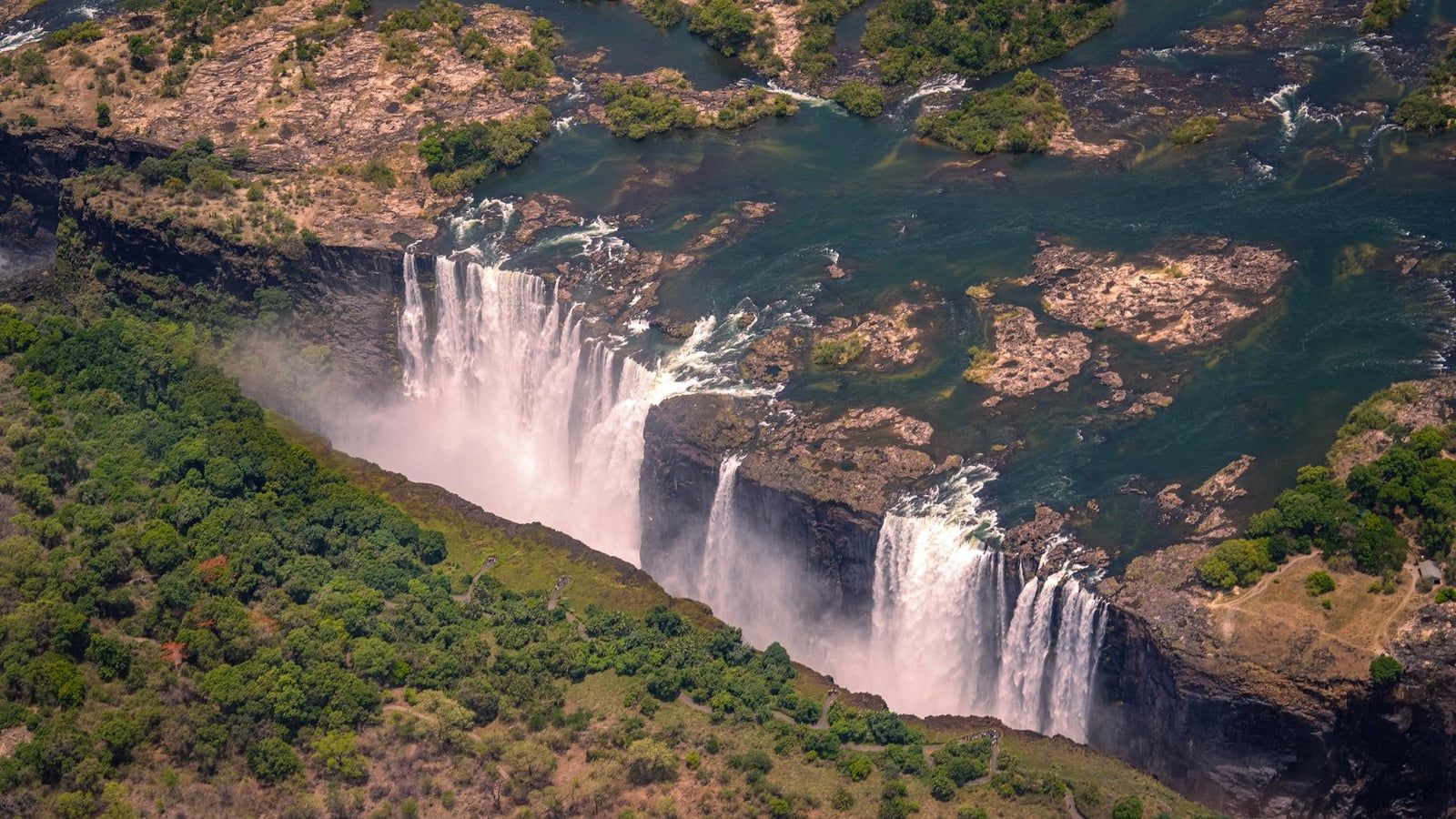
Give it 10 to 14 days to do it properly, ideally with a multi-day tour that handles the flight connections between legs. A workable split looks like four nights in Kruger or a Sabi Sands lodge, two to three nights at Victoria Falls, then three nights in Hwange for the elephant and wild dog viewing that justifies the extra leg. Anything shorter turns two of the three stops into overnight stopovers rather than proper visits.
Most travelers, though, skip the triple-header. Kruger paired directly with Victoria Falls - a well-worn, roughly three-hour flight route - covers the Big Five and one of the world's great waterfalls without adding Hwange's extra flights and higher daily costs. Treat Hwange as an add-on to that route if wild dogs and elephant numbers pull you in, not as a default third leg for every itinerary.
Which Park Should You Choose?
Pick Kruger if this is your first safari, you want to drive yourself, and you need rhino and the rest of the Big Five checked off with real odds of success. Its road network, fuel stops and rest-camp shops make it forgiving for travelers with no guide and no local experience, and nowhere else in this comparison offers as wide a spread of accommodation - from a $25 campsite to a private reserve lodge that costs as much as a car. Families do better here too: swimming pools, shorter drive times between camps, and fenced picnic sites take the edge off long days in the vehicle.
Pick Hwange if elephants and wild dogs are the animals you're chasing, and a fully guided, low-crowd experience matters more than independence behind the wheel. Waterhole afternoons with no other vehicle in sight are Hwange's real selling point, and pairing it with Victoria Falls turns one flight into two destinations.
Want Hwange's exclusivity without leaving South Africa? Look at Kruger's private reserves instead. Private tours into Sabi Sands, Timbavati, Klaserie or Balule deliver the same off-road, low-vehicle-count game drives Hwange is known for, minus the extra international leg - Kruger's rhino and leopard reliability alongside Hwange-level intimacy.
The trade-off comes down to what you'd rather have: independence and a completed Big Five checklist, or elephant herds numbering in the thousands and a waterhole with nobody else around. Either way, book the dry season and you won't regret it.
Frequently asked questions
Which park has more elephants, Hwange or Kruger?
Hwange, decisively. It holds an estimated 44,000-45,000 elephants, the second-largest population in Africa after Chobe, against Kruger's roughly 17,000.
Is Hwange or Kruger better for a first-time safari?
Kruger. Its self-drive infrastructure - paved and gravel roads, fuel and shops at rest camps, and a lower budget floor - is more forgiving for a first-timer without a guide.
Can I self-drive in Hwange National Park?
On the main roads, yes, but they're gravel and sand with no fuel or shops inside the park except at lodges, which is why most visitors book guided concession stays instead.
Which is cheaper, Hwange or Kruger?
Kruger, by a wide margin. Backpacker camping runs about $55/day and mid-range around $200/day, versus roughly $100/day and $300/day at the same tiers in Hwange.
Does Hwange have rhinos?
Hwange's rhinos are kept in protected sanctuaries outside the main game-viewing areas for their safety, so sightings inside the park aren't expected. Kruger reliably has both black and white rhino.
Is malaria a risk in Kruger or Hwange?
Both are malaria zones. SANParks classifies Kruger as a risk area with higher exposure from October to May, and Hwange sits within Zimbabwe's malaria zone too. Precautions are worth taking for either park.
Can you visit both Hwange and Kruger on the same trip?
Yes. A 10-14 day itinerary can cover both using Victoria Falls as a connector, with flights of roughly 1.5-3 hours linking Johannesburg and Victoria Falls.
Which park is less crowded, Hwange or Kruger?
Hwange is significantly quieter. Kruger draws over 1.8 million visitors a year and can see several vehicles at popular sightings, while Hwange visitors are often alone at a waterhole.