About All ToursFrom Johannesburg ToursSafari ToursMulti-Day Tours3-Day ToursWildlife ToursPrivate Tours Directions Hours & Fees Guides
Find Tours 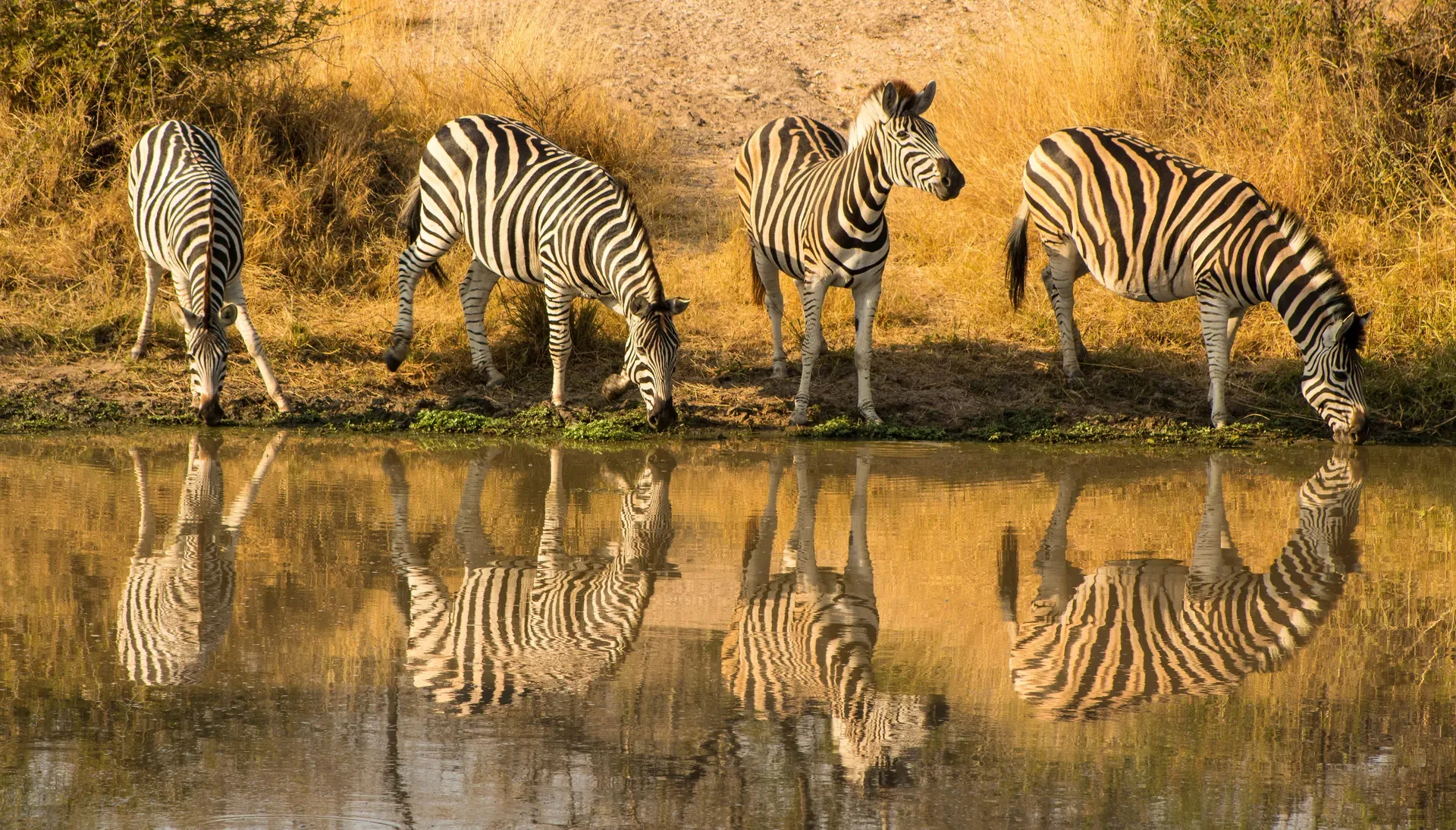
Explore the bush in open-sided vehicles on a Kruger National Park wildlife tour. Choose from shared morning drives or full-day private safaris led by qualified guides.
 Free Cancellation
 Nine-hour open-vehicle safaris through Kruger National Park for private groups of up to ten people.
 Free Cancellation
 Groups of up to eight get a private open-vehicle safari with a FGASA-qualified guide and a custom route.
 Free Cancellation
 Open-vehicle safari in Kruger National Park starting at dawn with door-to-door transfers from Hoedspruit.
 Free Cancellation
 Private five-hour afternoon safaris through Kruger National Park in open-sided vehicles for up to ten people.
 Free Cancellation
 Track wildlife for five hours in Kruger National Park with a guide to handle the spotting.

Track wildlife in an open-sided vehicle on private or group tours led by a guide with 10 years in Kruger.
 Free Cancellation
 A private open-vehicle safari for nine people departing Hoedspruit before dawn to track Kruger's wildlife.
Free Cancellation Local guides with 20 years of knowledge build custom routes based on your walking pace and specific interests.

Wildlife guides lead these tours; they track animals and explain specific behaviors.
 Free Cancellation
 Track the Big 5 in an open vehicle with a lunch stop overlooking the Sabie River.
Read what travelers share about their experience visiting Kruger National Park — from practical tips to personal highlights.
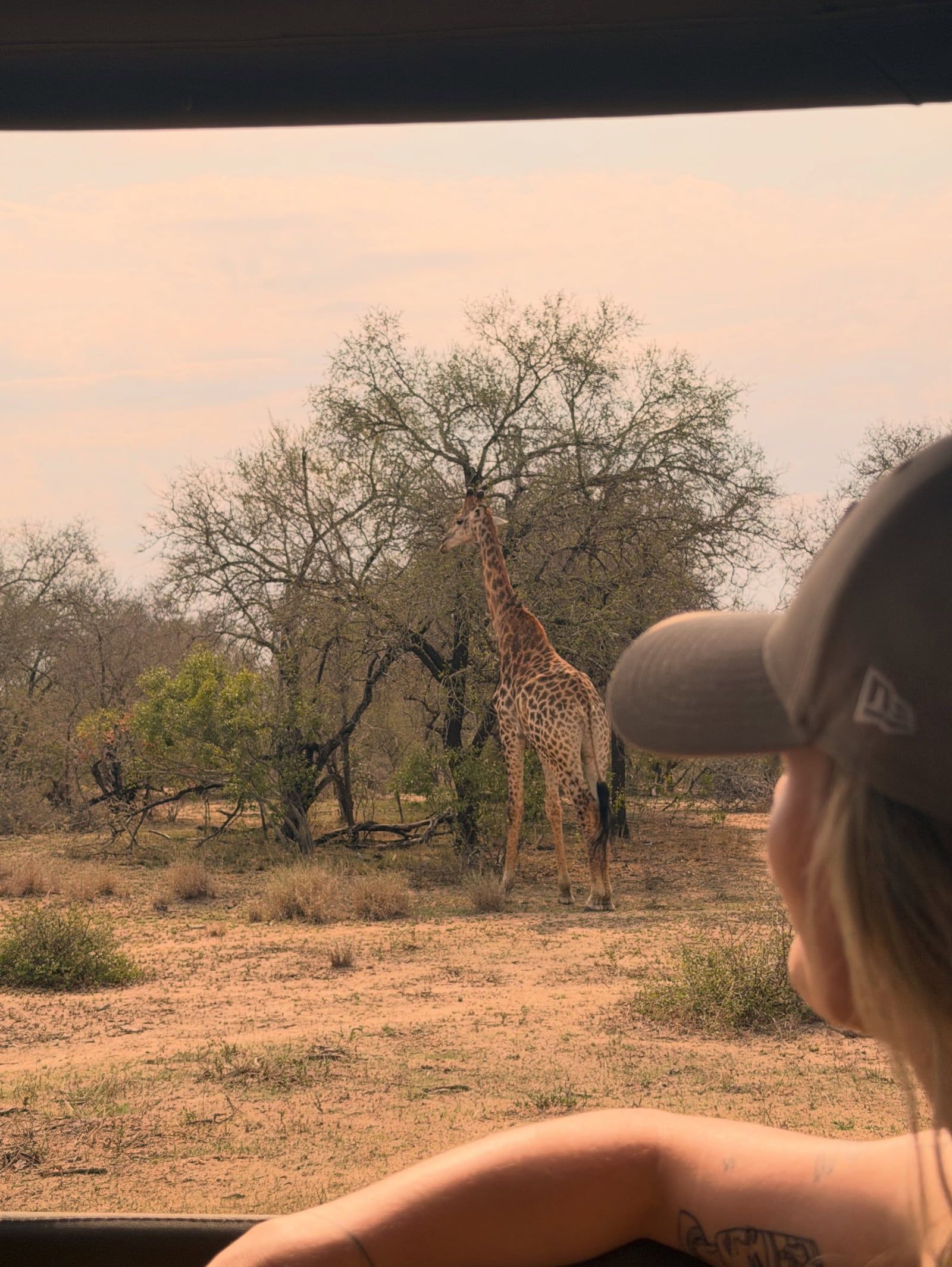
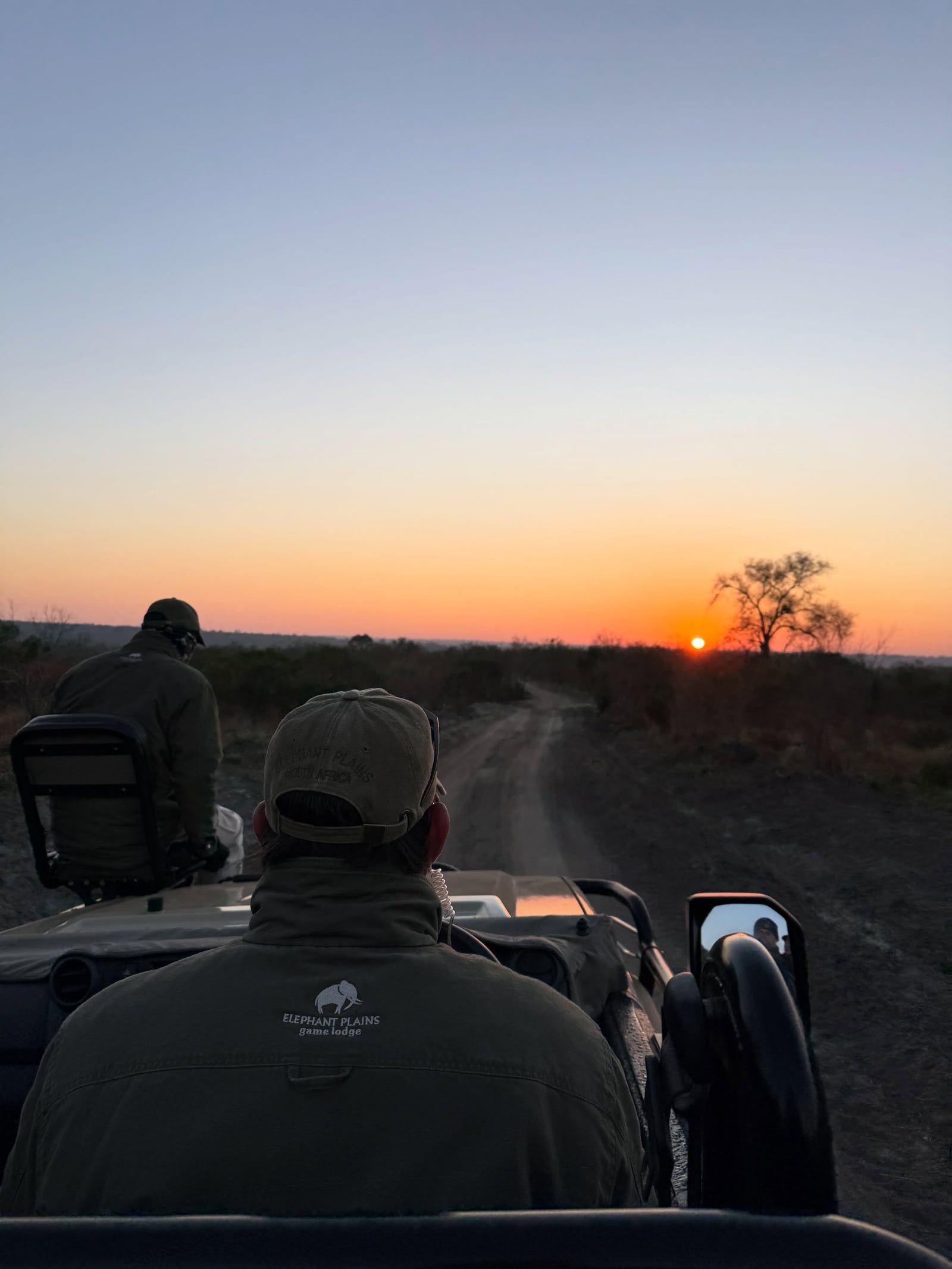
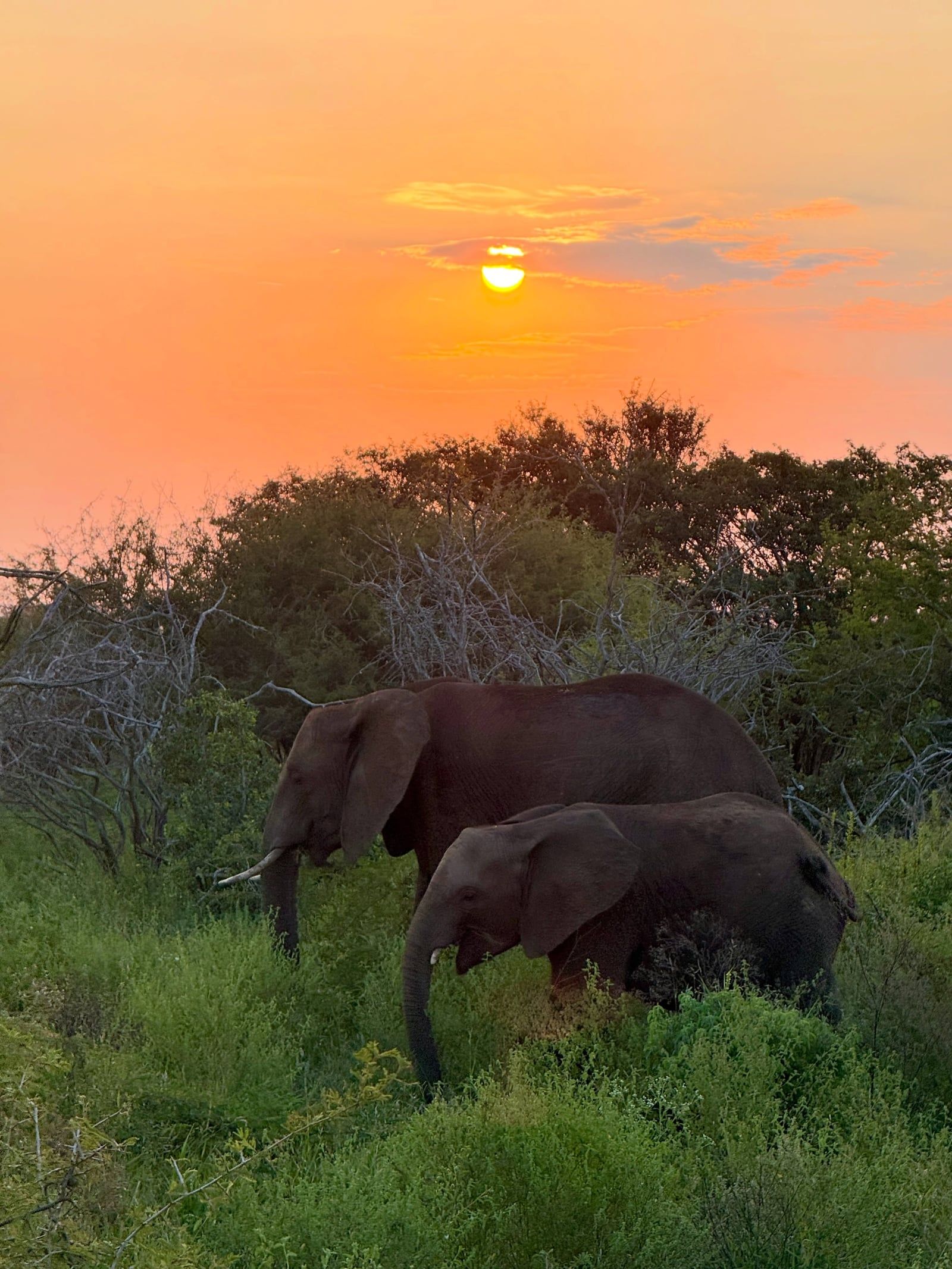
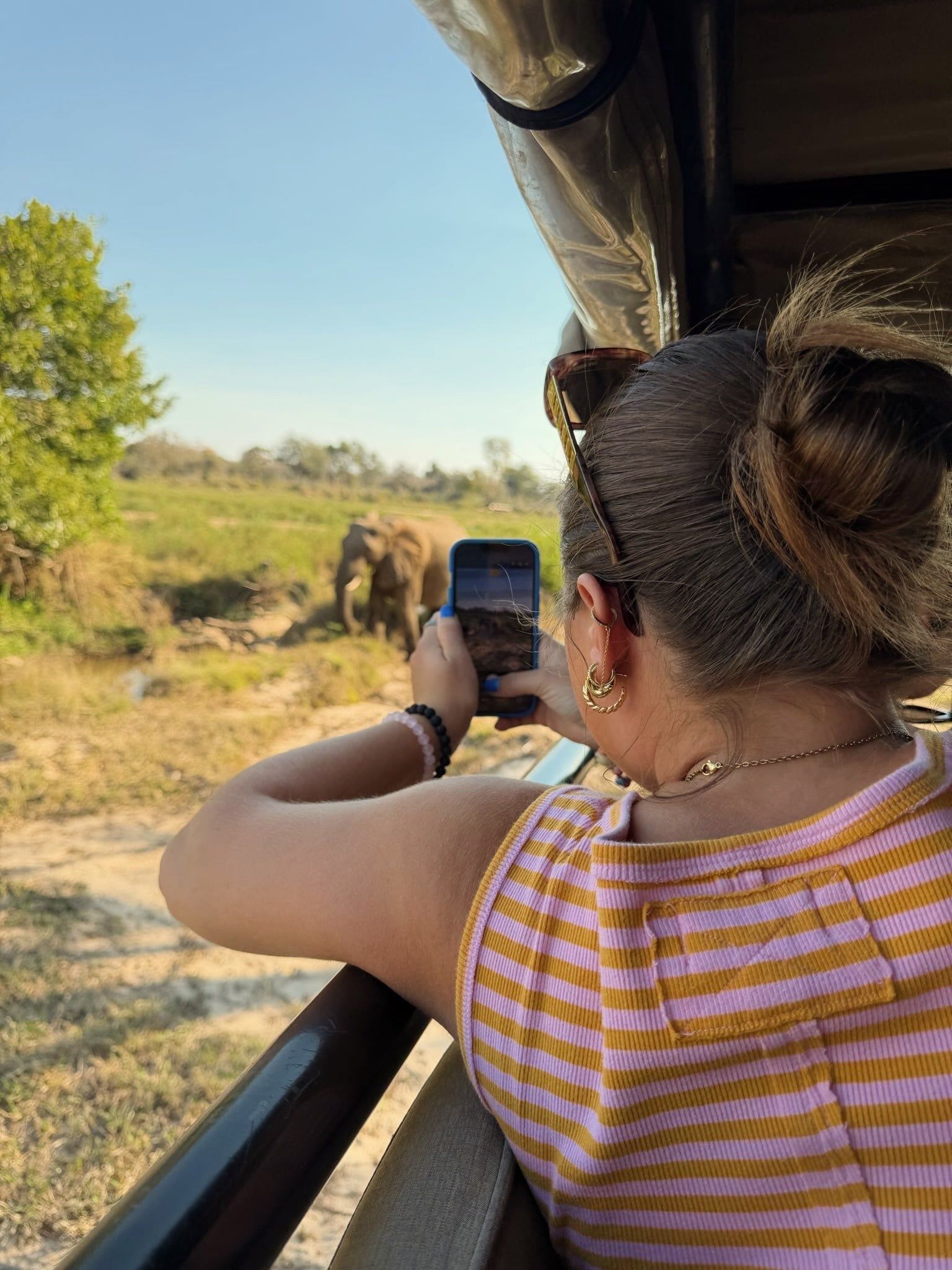
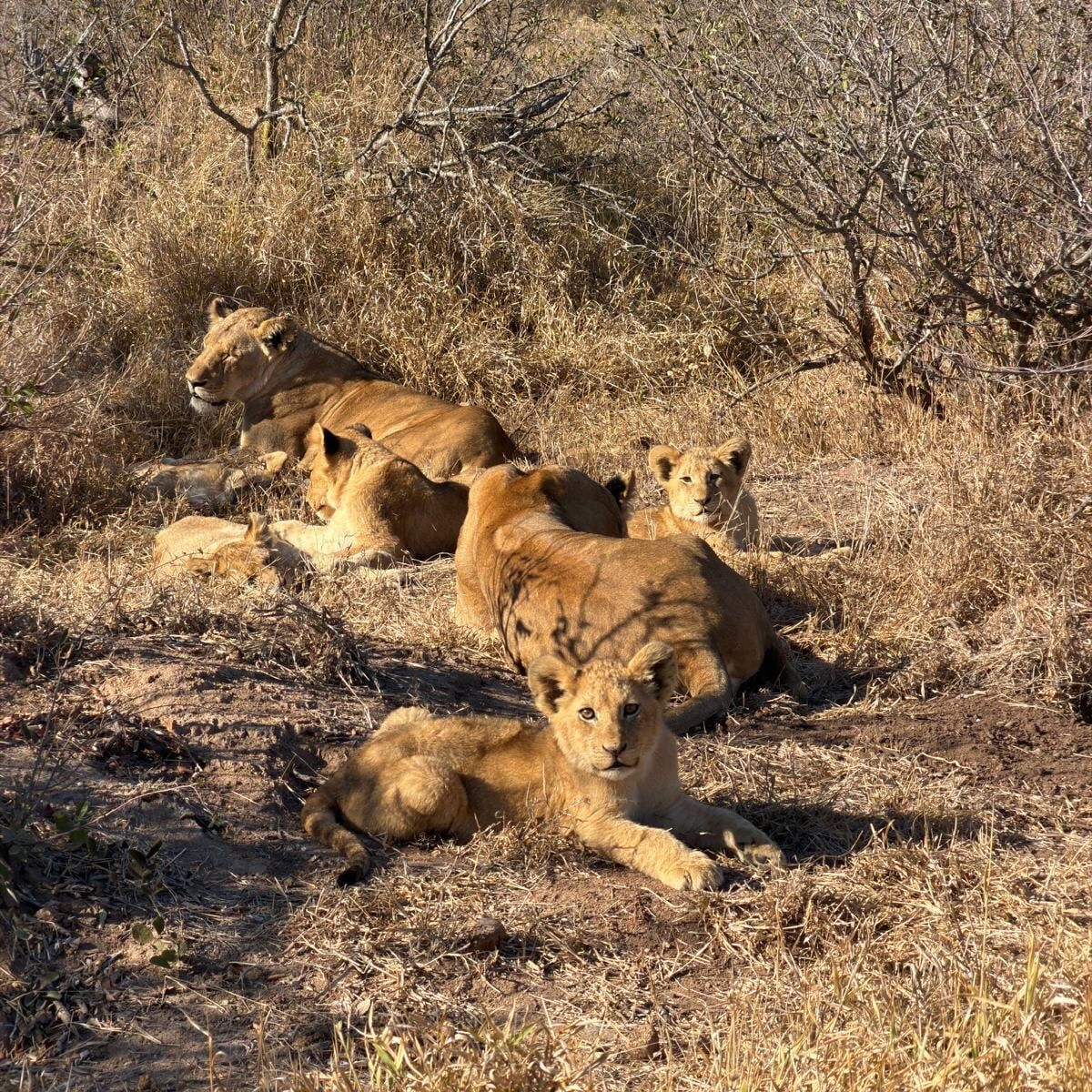
Kruger National Park covers 19,623 square kilometers of savanna and riverine forest across two South African provinces. Guided safaris use elevated, open-sided vehicles to track the 148 mammal species living here. You spend most of the day driving at low speeds between waterholes and thickets.
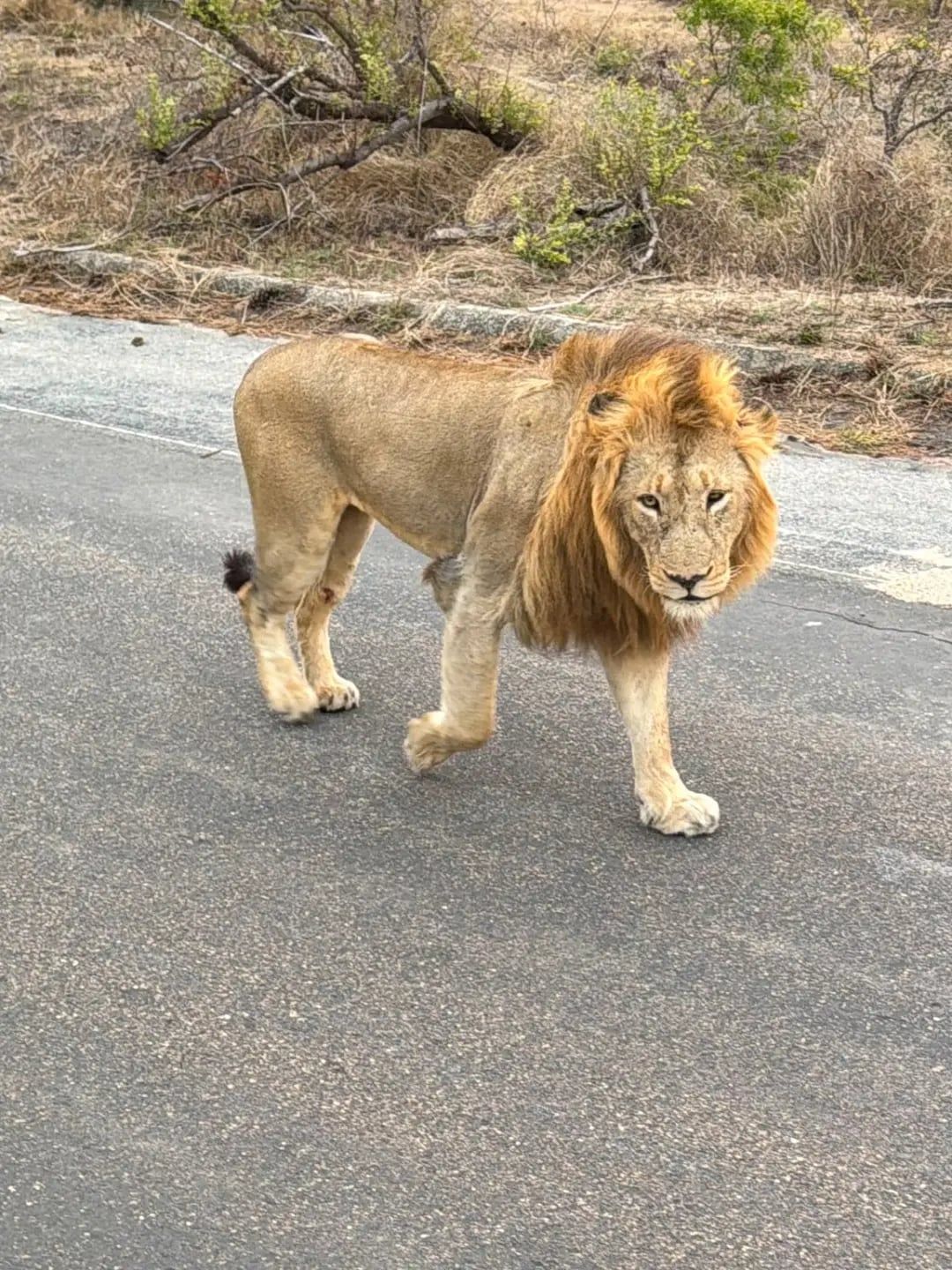
Lions and leopards hunt along the Sabie River. The tarred road between Lower Sabie and Skukuza gets heavy animal traffic at dawn.
Hippos and crocodiles crowd this small waterhole near Lower Sabie. You watch them directly from the roadside.
Two armed field guides take groups of eight on foot. You track rhino spoor and learn bush survival skills for three hours.
Open grasslands surround Satara Rest Camp. Prides of 20 or more lions hunt in this central region.
This museum displays the massive tusks of the Magnificent Seven. It breaks down elephant biology and the park's tracking history.
Most tours pick up outside the park in towns like Hazyview, Hoedspruit, or Marloth Park. You need your passport to enter the gates.
The daily conservation fee is R602 for international adults and R134 for South Africans. Most tour operators exclude this from their base price.
Tours use modified, open-sided trucks with tiered seating. Winter mornings get freezing fast, so operators provide heavy blankets and waterproof ponchos.
Operators collect guests within specific radiuses, usually 8 to 15 kilometers from Hazyview or Hoedspruit. They do not pick up from Nelspruit.
SANParks limits daily entry numbers on public holidays. You must pre-book your gate access online to guarantee entry on these days.
Infants must sit on laps during drives. Operators advise against open-vehicle safaris for travelers with spinal injuries due to bumpy gravel roads.
Most shared and private drives offer a full refund if canceled 24 hours in advance. A few operators enforce a strict no-refund policy.
Swipe to see more
| Shared Full-Day Safari | Private Full-Day Safari | Morning Half-Day Safari | |
|---|---|---|---|
| Duration | 10-11 hours | 8-10 hours | 5 hours |
| Best for | Solo travelers and budget groups | Families wanting pace control | Tight schedules |
| Includes | Guide and bottled water | Private vehicle and custom routing | Guide and bottled water |
| Price from | $110 | $186 | $51 |
Swipe to see more
Entrance gates open at 05:30 in January, February, March, October, November, and December. From April to September, they open at 06:00.
Closing times shift with the sunset. Gates close at 18:30 in mid-summer, 18:00 in the shoulder months, and 17:30 in May, June, and July.
SANParks strictly enforces these times. Arriving late at an exit gate or rest camp results in a heavy fine.
Airlink flies directly from OR Tambo International Airport in Johannesburg to Skukuza Airport inside the park. The flight takes 45 minutes.
Driving from Johannesburg takes 4.5 to 5.5 hours via the N4 toll highway. This route leads to the southern gates at Malelane or Phabeni.
Hoedspruit Eastgate Airport serves the central camps like Orpen and Satara. Private shuttle companies run bus transfers from Kruger Mpumalanga International Airport to the Numbi Gate area.
May to September is the dry winter season. The vegetation thins out, forcing animals to congregate at rivers and permanent waterholes.
September offers the best conditions. The mornings are less freezing than June or July, but the bush remains dry enough for clear visibility.
November to March brings heavy rain and dense green foliage. Animals scatter, the heat spikes, and malaria risk hits its peak. December and January also see massive crowds from South African school holidays.
Kruger works well for visitors with limited mobility because you view wildlife from a vehicle. The speed limit is 50 km/h on tar and 40 km/h on gravel.
The Buffelsfontein Visitors Centre has disabled parking bays, wheelchair access, and an accessible toilet. Rest camps like Skukuza, Berg-en-Dal, and Lower Sabie feature flat, paved paths connecting the chalets to shops and restaurants.
SANParks publishes detailed accessibility profiles for individual camps on their official site.
Rest camps operate as small villages. Most have gas stations, basic grocery shops, and public restrooms.
Lower Sabie features a Mug & Bean restaurant with a deck overlooking the Sabie River. Many camps also have swimming pools to handle the midday heat.
Cell phone reception is limited to the main rest camps and entrance gates. The roads between them have zero signal.
You must stay inside your vehicle at all times unless you are in a designated, fenced area. Keep windows rolled up when elephants or large predators are near.
Drones are illegal. Flying one anywhere over the park violates the Protected Areas Act and guarantees confiscation and fines.
Wear neutral colors like khaki, olive, or beige. Bright colors and white attract insects and make you obvious to animals on guided walks. Speed traps operate daily.
The 2025/26 daily conservation fee is R602 per international adult and R300 per child. South African citizens pay R134 per adult, while SADC nationals pay R275.
Gates open at 05:30 in the warmer months and 06:00 from April to September. They close between 17:30 and 18:30 depending on the season.
Yes. The park sits entirely within a malaria zone. The risk is highest during the wet summer months from November to April.
The limit is 50 km/h on tar roads and 40 km/h on gravel roads. Inside rest camps, you must drive 20 km/h.
No. Drones are strictly prohibited under the National Environmental Management: Protected Areas Act. SANParks enforces this with heavy fines.
Kruger holds roughly 148 mammal species. SANParks estimates the population includes 17,000 elephants, 1,500 lions, 48,000 buffalo, and 1,000 leopards.
The dry winter from May to September offers the best game viewing. Animals gather at water sources and the bare trees make spotting them easier.
You can drive 390 to 420 kilometers via the N4 highway in about five hours. You can also take a 45-minute direct flight from OR Tambo to Skukuza Airport.
A standard sedan handles the tar and gravel tourist roads perfectly well. You only need a 4x4 if you book a specific Eco Trail.
Paul Kruger proclaimed the Sabie Game Reserve in 1898. It officially became South Africa's first national park on May 31, 1926.
Browse verified tours with free cancellation and instant confirmation.
Find Tours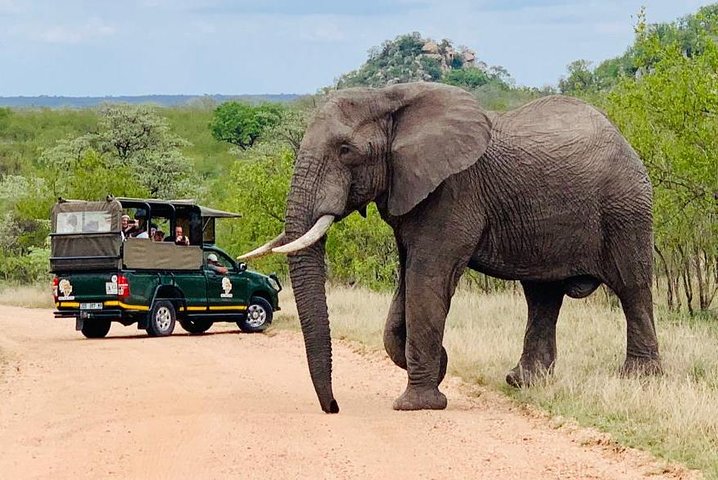


This nine-hour safari through Kruger National Park uses open-sided vehicles for groups of up to ten people. Pickups run from any lodge in Hazyview or directly at the Numbi and Phabeni gates. From October to March, the day starts at 05:30 and ends at 15:30. During the cooler months of April through September, times shift to 06:00 until 16:00. It’s a long day in the sun. You'll track the Big Five along with cheetahs, wild dogs, and some of the 500 bird species found in the park. The elevated seating in the open trucks provides a better vantage point than standard cars for spotting animals in tall grass. There are over 140 mammal species in the bush here. Entry fees are paid separately at the gate. International adults pay R424, while South African citizens pay R105. Children under 12 are half price. You must present a physical ID or passport to avoid paying the maximum rate. This is the best option for large families who want their own vehicle.
For a full refund, cancel at least 24 hours before the scheduled departure time.
English

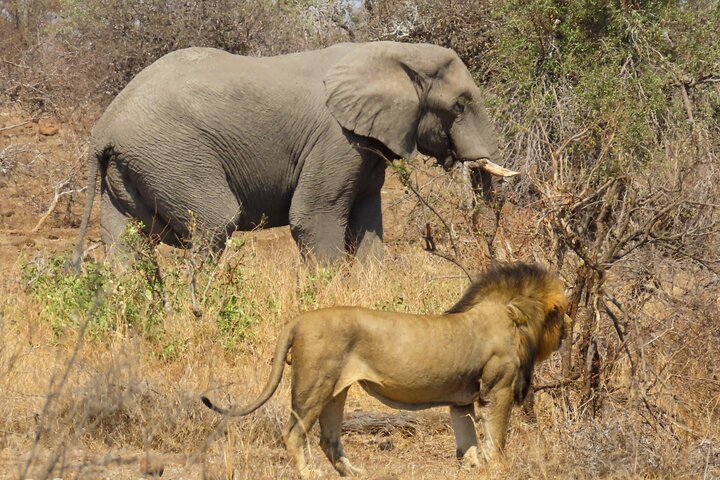

Groups of one to eight people get the entire open safari vehicle to themselves. A FGASA-qualified guide drives and tracks, so you aren't stuck with strangers or a rigid schedule. Stay at a leopard sighting for an hour or skip the impala and zebras. It's the right choice if you want to set the pace. Children are welcome if an adult accompanies them. Past guests have ranged from 10-month-old babies to 89-year-old travelers. Because these are open vehicles, the wind hits hard during sunrise drives. Pack a fleece and a beanie, even if the forecast says it'll be hot by noon.
For a full refund, cancel at least 24 hours before the scheduled departure time.
English


Your guide picks you up from any hotel or address in Hoedspruit before sunrise. We aim to reach the Kruger National Park gates for the morning opening—usually 5:30 or 6:00 AM—to catch predators while they're still moving. You'll spend the day in an open-sided safari vehicle. These vehicles sit higher than standard cars, which helps you see over the tall grass and into the thickets. It gets cold on the drive to the gate. Bring a heavy jacket. The open design means there's no glass between you and the bush. You'll smell the wild sage and hear the warning whistles of kudu long before you see them. If it rains, the guide rolls down canvas sides, but you’ll likely still get a bit wet. Bring a hat with a chin strap; the wind at 40 km/h will snatch a loose cap. We stop at park camps like Satara or Orpen for lunch breaks. Those meals aren't included, so bring cash or a card. This is a full-day commitment, often lasting eight to ten hours. It’s a slog for very young children. If you’re prone to back pain, the dirt roads can be jarring—request a seat toward the front of the vehicle where the suspension is softer.
For a full refund, cancel at least 24 hours before the scheduled departure time.
English


These five-hour afternoon safaris depart from Hazyview in open-sided vehicles. One flat rate covers the vehicle for up to ten passengers. You'll pay entry fees at the gate, which cost R424 for international adults and R105 for South African citizens. Children under 12 pay half price. Bring your passport or ID for the resident discount. Pickups start at 13:30 from Hazyview lodges or the Numbi and Phabeni gates. From October to March, the tour returns at 18:30, while April to September trips end by 17:30. Dress in layers. The wind gets chilly after sunset. The route tracks through territory home to 140 mammal species, including the Big Five and wild dogs. You'll have an unobstructed view for spotting some of the 500 local bird species. Most sightings happen near waterholes in the late afternoon. Meet the driver at Phabeni gate if you're staying west of Hazyview.
For a full refund, cancel at least 24 hours before the scheduled departure time.
English

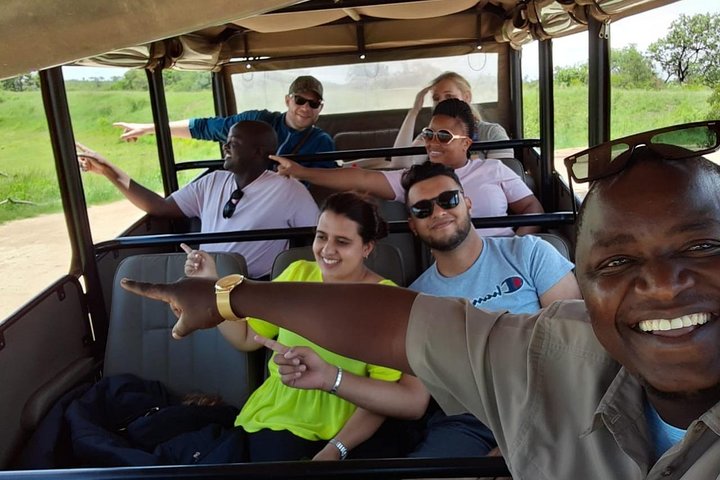

Five hours in an open vehicle covers roughly 50 km of the Kruger National Park bush. Your guide scans the thickets for movement or tracks that most visitors miss. They'll explain why an elephant is flapping its ears or why a kudu is staring into a specific gully. It's a focused way to see the bush. Bottled water is provided, but bring a jacket. These vehicles get cold when you're moving at 40 km/h before sunrise. If you're a serious photographer, ask for an outside seat to get an unobstructed line of sight. Morning slots sell out first.
For a full refund, cancel at least 24 hours before the scheduled departure time.
English


Open-sided vehicles provide unobstructed views for photography on these safaris through Kruger National Park. You can book a private vehicle for your group or join a shared tour. Kerry, the owner, has led drives here for 10 years and hires only certified local guides. No glass or pillars block your view, so there’s nothing between your lens and the animals. It’s louder and dustier than a closed car, but you’ll hear the birds and smell the rain. Bring a windbreaker for the 5:00 AM starts, even in summer. That's when the light is best for photos.
All sales are final. No refund is available for cancellations.
German, English, French, Dutch


You'll leave Hoedspruit in the dark to reach the Kruger National Park gates before they open at dawn. The vehicle is a modified open-sided truck that seats nine people. Because the seats are tiered and elevated, you can see over the tall grass where leopards or lions might be hunkered down. It’s loud and windy at 40 km/h. Bring a jacket even in summer. The route follows riverbeds and waterholes where hippos and crocodiles congregate. You'll stop at a rest camp mid-morning to eat your breakfast packs. These camps are the only places where you can step out of the vehicle and walk around safely. Lunch is a separate stop later in the day where you can buy food or a coffee. Pack binoculars; the guide can spot a raptor in a tree 200 meters away, but you won't see it without help. The tour ends with a drop-off at your hotel or any location in Hoedspruit. If you're prone to motion sickness, sit in the front row where the ride is less bouncy.
For a full refund, cancel at least 24 hours before the scheduled departure time.
English


Guides with 20 years on these streets build every route from scratch based on your walking pace. You won't follow a pre-set map. Tell the guide if you'd rather see backstreet workshops than monuments, and they'll pivot the walk immediately. It's a pragmatic approach to sightseeing. If a specific site is too crowded, the guide swaps it for a quieter alternative nearby. Request a specialist in history or food during checkout to ensure the route matches your specific interests.
For a full refund, cancel at least 24 hours before the scheduled departure time.
English


Guides stay with the sightings and explain local species. This ensures you get a close look. During summer, the vehicle is stocked with bottled water. Winter tours include heavy blankets and waterproof ponchos to block the wind. These are necessary because open-sided vehicles get cold fast once the sun sets. Dress in layers anyway. That's the best way to stay comfortable.
All sales are final. No refund is available for cancellations.
English


Guides track the Big 5 and the Magnificent 7 through the bush, pausing for specific bird and tree sightings. You'll spend the day in an open safari vehicle designed for photography. Expect dust. Breakfast and lunch happen at the Mug & Bean in Lower Sabie. Tables there look directly over the Sabie River. Meals are at your own expense. Use the picnic spots at various campsites if you've brought your own food. Pack a small cooler with snacks and soda, but leave the alcohol at home. Mornings are cold. We provide ponchos for the early start, but you'll need to bring your own binoculars and a camera. Bring a face mask too. Sightings depend on luck. Large groups can book multiple vehicles, but pick the private safari if you want to spend thirty minutes watching one leopard rather than moving on.
For a full refund, cancel at least 24 hours before the scheduled departure time.
English