About All ToursFrom Johannesburg ToursSafari ToursMulti-Day Tours3-Day ToursWildlife ToursPrivate Tours Directions Hours & Fees Guides
Find Tours 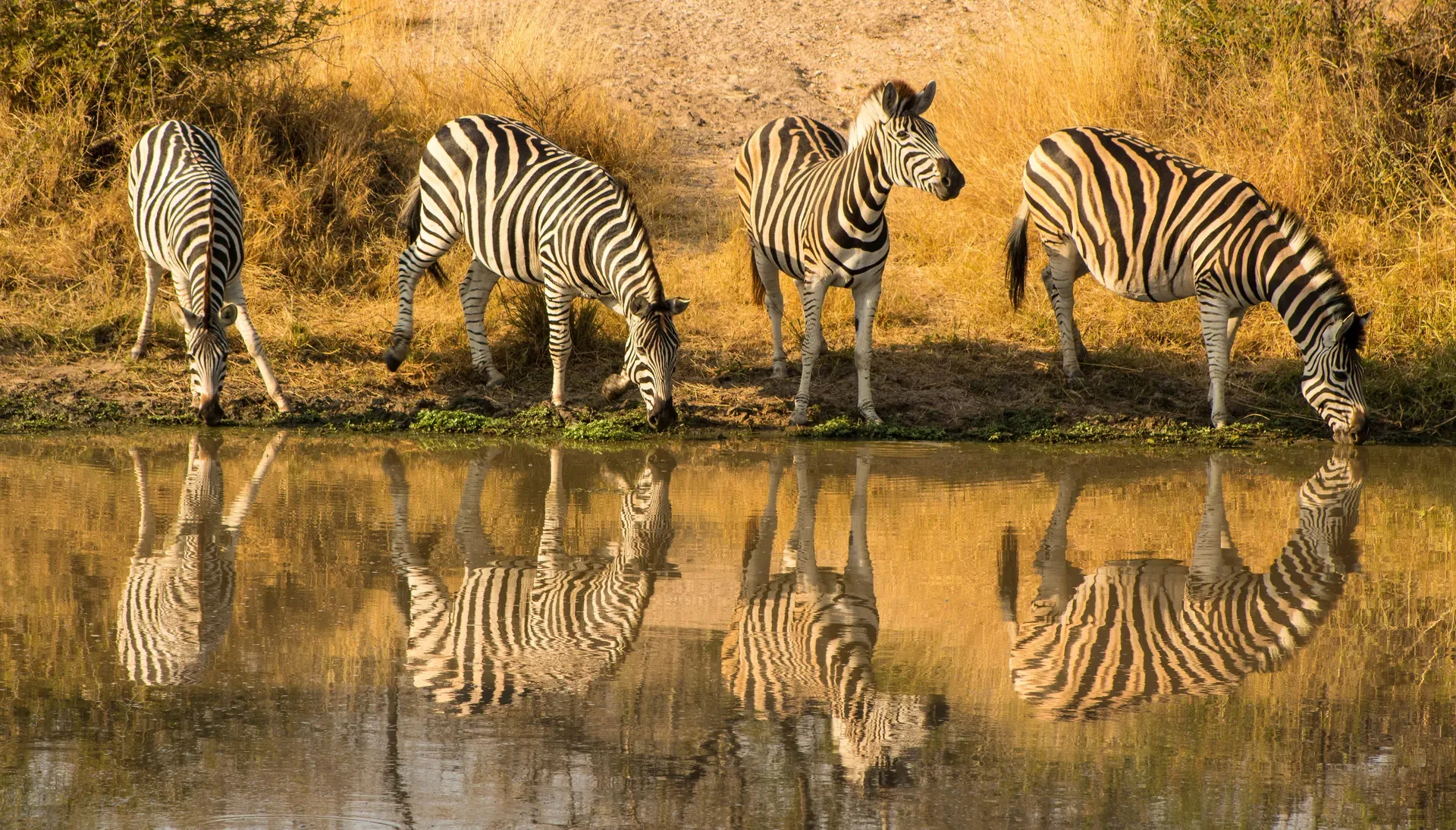
Explore Kruger National Park with guided safaris ranging from five-hour morning drives to comprehensive full-day private excursions. Track the Big Five and other local wildlife in open-sided vehicles led by experienced guides.
 Free Cancellation
 Track the Big Five, cheetahs, and wild dogs on a nine-hour open-vehicle safari through Kruger National Park.
 Free Cancellation
 Private open-vehicle safaris for groups of up to eight led by FGASA-registered guides.
 Free Cancellation
 Six-hour morning safaris in open vehicles depart from Hazyview to track the Big Five, cheetahs, and wild dogs.
 Free Cancellation
 Five-hour afternoon safaris through Kruger in open vehicles for groups of up to ten, departing from Hazyview.

Six guests per ten-seater open vehicle track the Big 5 and 147 mammal species across Kruger National Park.

Take a private or group open-vehicle safari from Marloth Park with a guide holding 10 years of local experience.
 Free Cancellation
 Track wildlife for five hours in Kruger Park with a guide to interpret animal behavior and provide bottled water.

Kerry leads Kruger Pride's open-vehicle safaris with ten years in the field and private booking options.
Free Cancellation Private tours led by guides with 20 years of local knowledge, shaped around your specific interests and pace.

Certified guides lead these wildlife tours with bottled water for heat and wool blankets for the cold.
Read what travelers share about their experience visiting Kruger National Park — from practical tips to personal highlights.
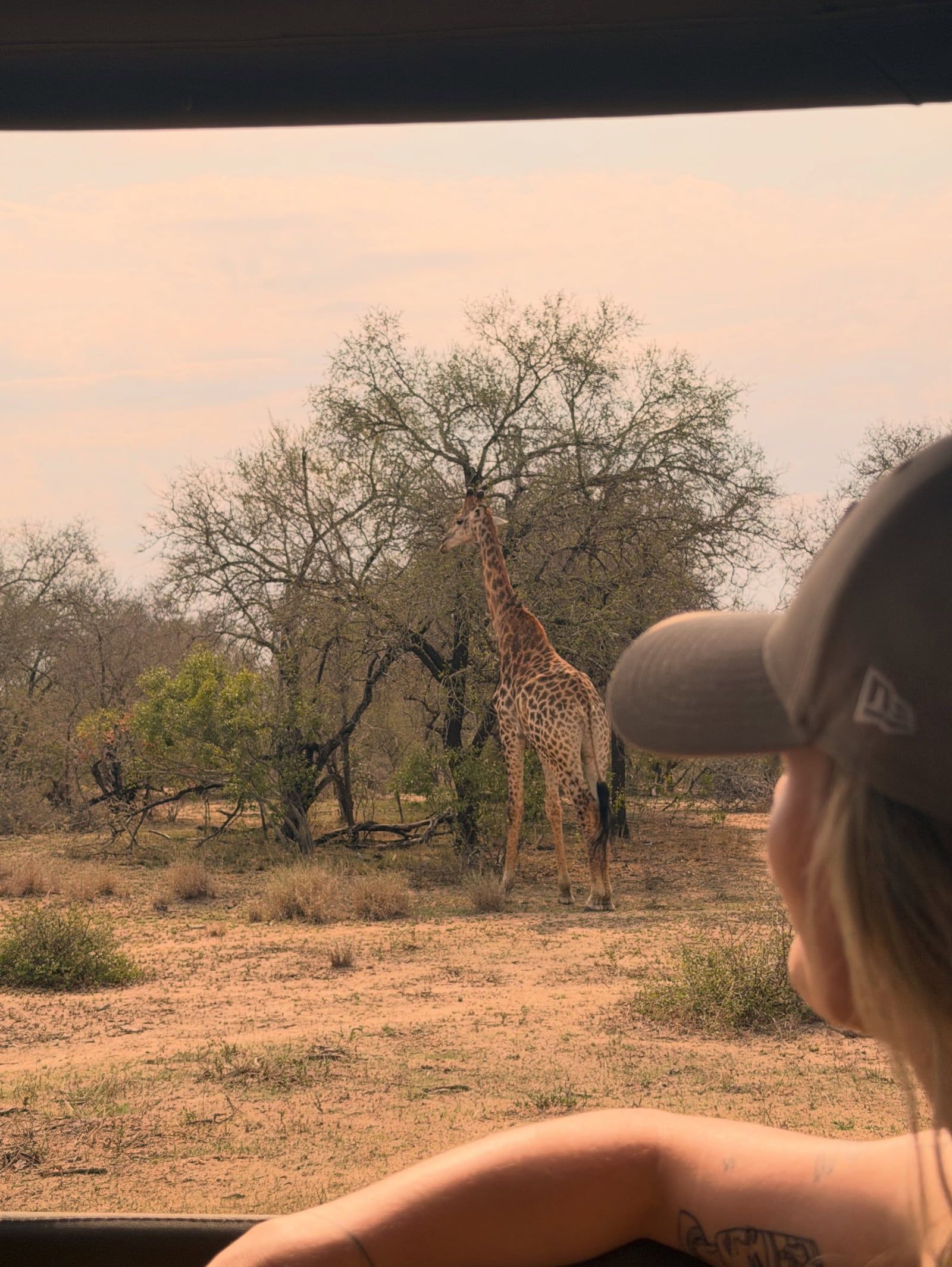
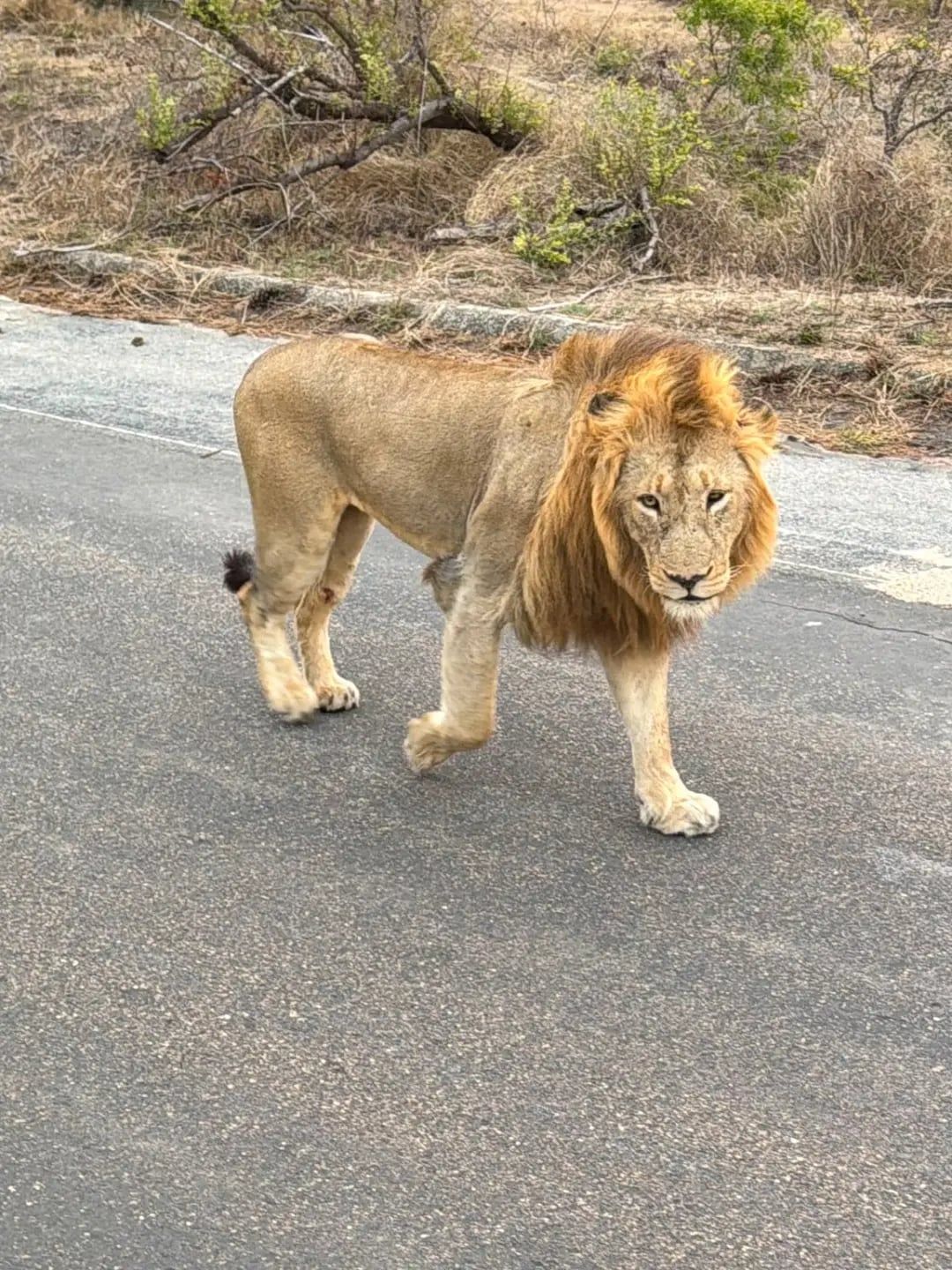
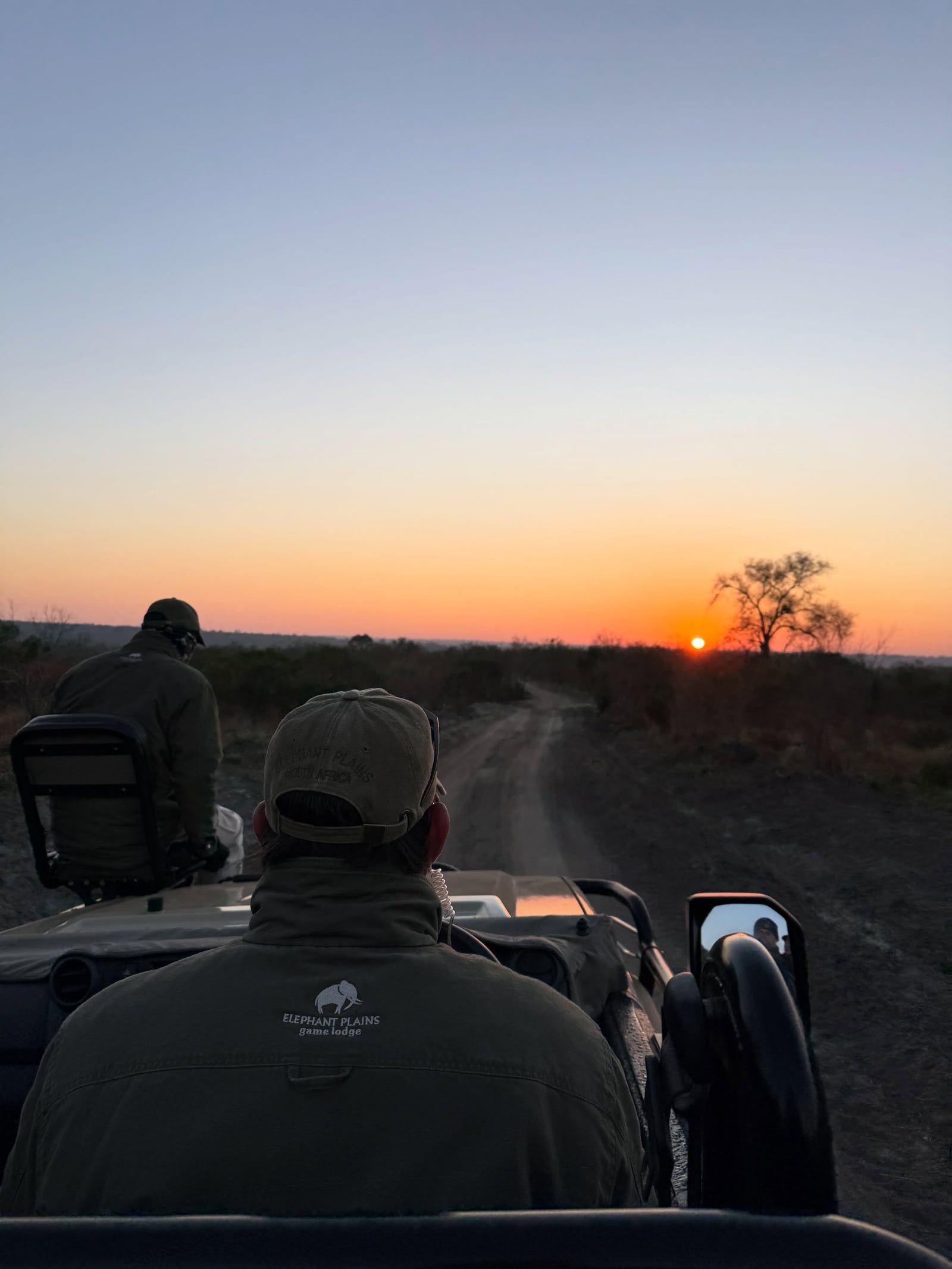
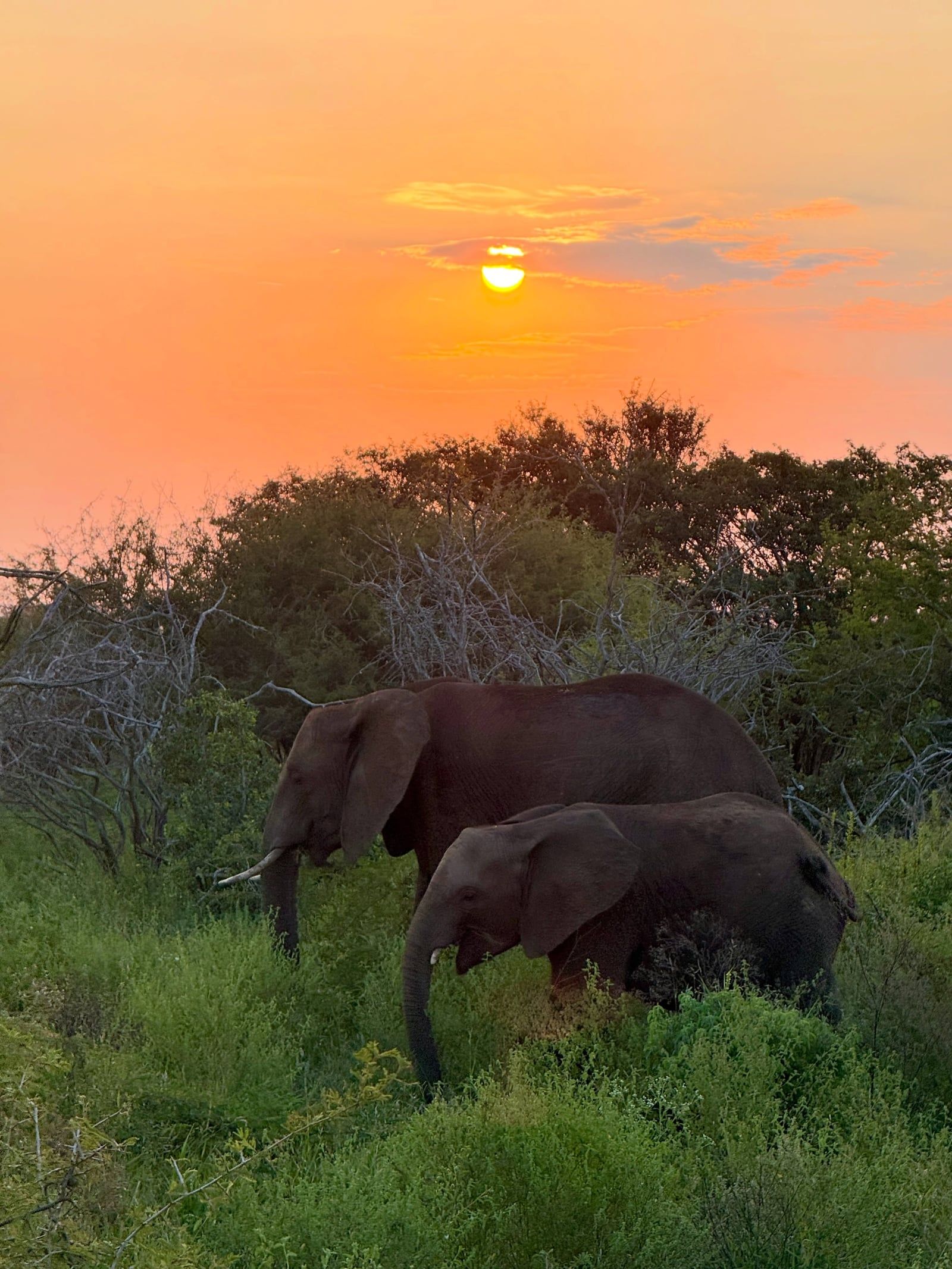
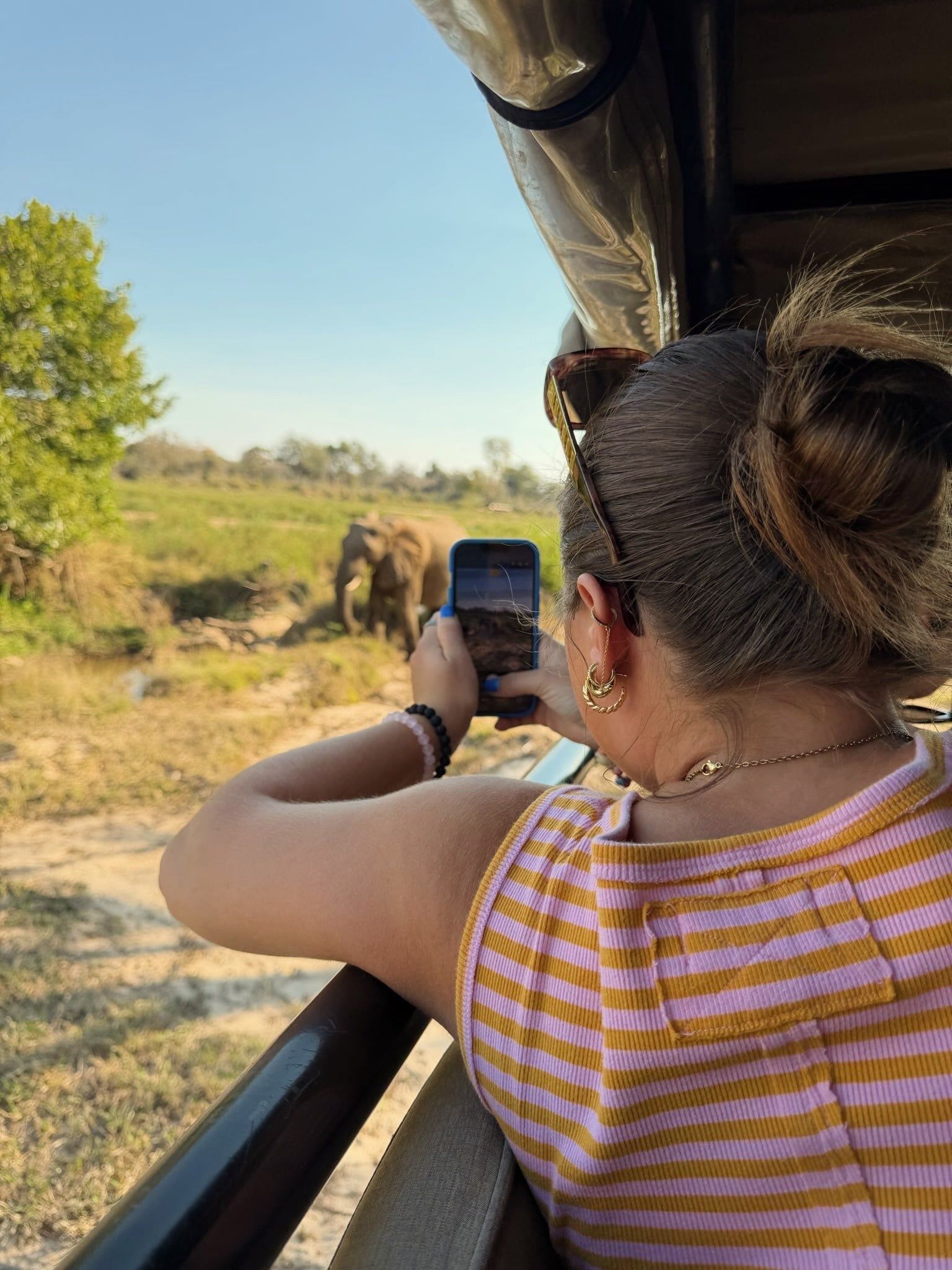
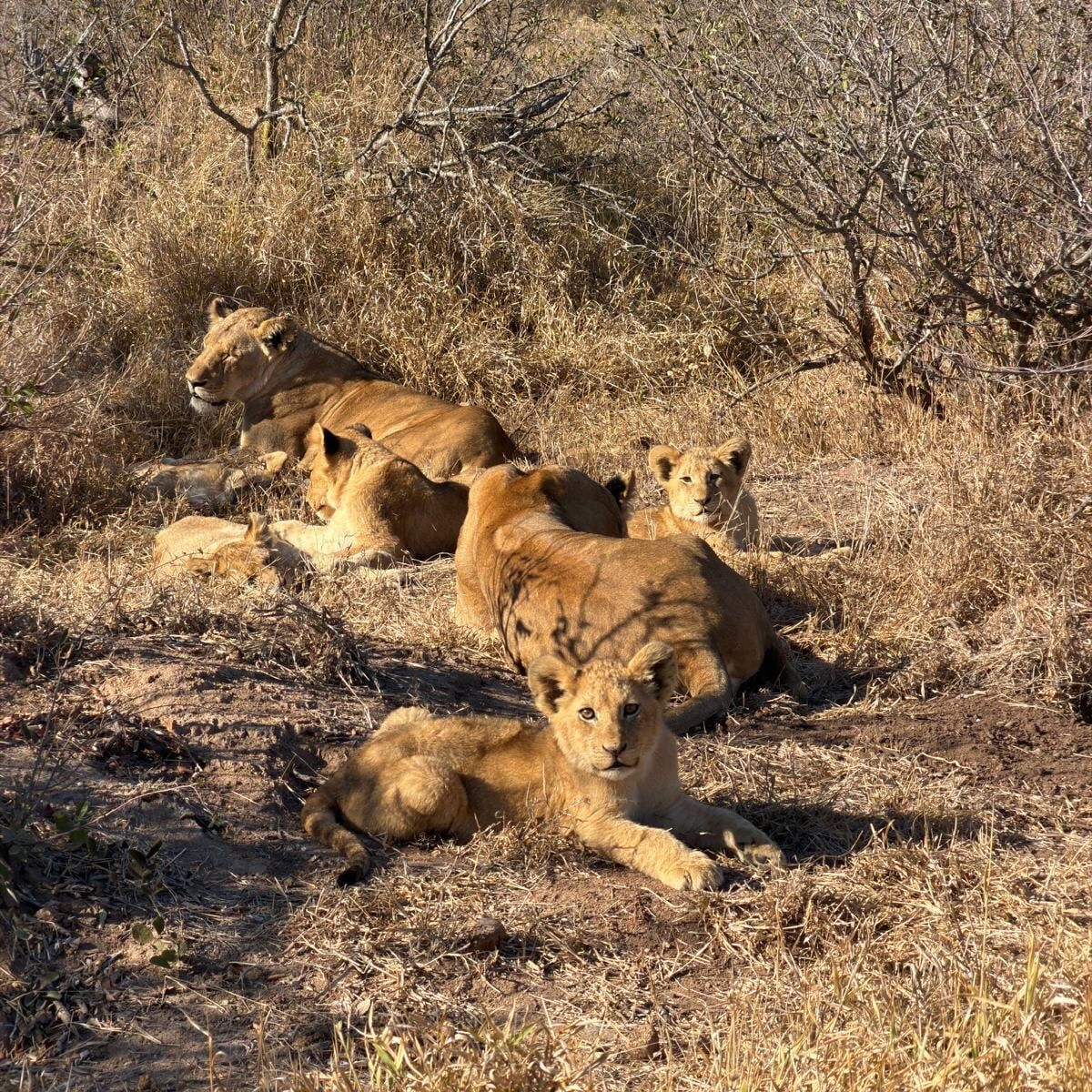
Kruger covers 19,623 square kilometers of savanna and riverine forest in northeastern South Africa. Safaris here focus on tracking the Big Five—lion, leopard, elephant, rhino, and buffalo—alongside 140 other mammal species. Expect early wake-up calls, dusty roads, and long hours in open-sided vehicles scanning the bush.
Most tours use 10-seater open-sided 4x4s. These vehicles remove glass barriers for clear photography and sit higher than standard cars, giving you better sightlines into the tall grass.
Morning drives start between 05:30 and 06:00 when predators are most active. You'll likely head toward river roads like the H4-1 near Skukuza, where animals gather to drink before the heat sets in.
Guides use local knowledge and radio networks to locate high-profile animals. You might wait 20 minutes at a waterhole for an elephant herd to cross or scan the branches for a sleeping leopard.
Many southern routes stop at this waterhole near Lower Sabie. You can watch hippos, crocodiles, and buffalo from the roadside within a five-minute drive of the camp.
Two armed field guides lead small groups of up to eight people on foot. You spend about three hours tracking spoor, learning bush survival, and approaching wildlife at a safe distance.
Booking a Kruger safari requires deciding how much time you want in the vehicle and whether you want to share it. Most operators handle the driving, but you need to check if gate fees are included.
Full-day safaris run 10 to 11 hours, giving you time to cross different ecological zones. Half-day options last 5 to 6 hours, usually focusing on the high-activity morning or afternoon windows.
Shared tours put up to 10 passengers in an open vehicle. Booking a private safari secures the entire vehicle for your group of one to eight people, letting you dictate the pace and how long you stop for photos.
Most tour prices do not include the daily SANParks conservation fee. For the 2025/26 season, international adults pay R602 and children pay R300, usually payable directly at the gate.
Operators restrict their pickup radiuses. Kurt Safari collects within 15 km of Hazyview, while Kruger Pride Safaris only picks up from Marloth Park or Komatipoort. Check your lodge location before booking.
SANParks enforces strict daily visitor limits, especially during South African school holidays and December. If you visit on a public holiday, pre-book your gate entry online to avoid being turned away.
Safaris involve sitting for long periods on bumpy roads, which is a bad idea for travelers with spinal injuries. Some operators enforce age limits, barring children under eight from shared open vehicles.
Many operators offer a full refund if canceled 24 hours in advance. Several full-day and specialized tours operate on a strict all-sales-are-final basis with no refunds.
Swipe to see more
| Full-Day Shared Safari | Half-Day Morning Safari | Private Full-Day Safari | |
|---|---|---|---|
| Duration | 10-11 hours | 5-6.5 hours | 10 hours |
| Group Size | Up to 10 people | Up to 10 people | 1-8 people (private) |
| Price (USD) | ~$90-$145 | ~$50-$85 | ~$185-$375 |
| Best For | Budget travelers and solo visitors | Early risers wanting the afternoon off | Families, photographers, and groups wanting control over stops |
Swipe to see more
Entrance gates open at 05:30 in January, February, March, October, November, and December. From April to September, they open at 06:00. Camp gates open as early as 04:30 during the peak summer months.
Closing times shift with daylight. All gates close at 18:30 in peak summer (January, February, November, December), 18:00 in shoulder months, and 17:30 in mid-winter (May to July).
You must be inside a camp or out of an exit gate by the stated closing time. Late arrivals face fines.
Driving from OR Tambo International Airport in Johannesburg to southern gates like Malelane or Phabeni takes 4.5 to 5.5 hours. The route covers roughly 390-420 km via the N4 toll highway.
For flights, Airlink operates a daily direct service from Johannesburg to Skukuza Airport inside the park, departing at 10:00. You can also fly into Kruger Mpumalanga International Airport (KMIA) or Hoedspruit's Eastgate Airport, both of which offer car rentals and lodge transfers.
Private shuttle services run between KMIA and the Numbi Gate area, taking about 1 hour and 20 minutes.
May to September is the dry winter season and the best time for game viewing. The vegetation thins out, and animals congregate at permanent rivers and waterholes. September is particularly good because mornings are less cold than midwinter.
November to March brings the wet summer season. The dense vegetation hides animals, and the heat and humidity are high. This is also the peak malaria-risk period.
Avoid December and January if you dislike crowds. South African school holidays cause heavy congestion at camps and gates during these months.
Kruger is highly accessible for visitors with limited mobility because most wildlife viewing happens from vehicles on tarred or smooth gravel roads. You do not need to walk long distances to see animals.
Major rest camps like Skukuza, Lower Sabie, and Berg-en-Dal feature short, level paved paths connecting reception, shops, and chalets. The Buffelsfontein Visitors Centre has disabled parking bays, an accessible toilet, and wheelchair access.
SANParks provides in-depth accessibility profiles for specific camps on their website. Senior citizens can also access discounted rates through the SANParks Senior Citizens program.
Kruger's main rest camps operate like small self-contained villages. They feature gas stations, grocery shops, restaurants, and swimming pools. Cellular reception is generally limited to these camps and the entrance gates.
Throughout the park, designated picnic sites offer fenced areas where you can safely leave your vehicle to stretch, eat, or use the restrooms. You cannot exit your vehicle anywhere else.
If you plan to drive into Mozambique through the park, the Giriyondo Access Point provides a direct border crossing into Limpopo National Park.
For the 2025/26 season, the daily conservation fee is R602 per adult and R300 per child for international visitors. South African citizens pay R134 per adult, while SADC nationals pay R275.
Most tour prices do not include the SANParks daily conservation fee. You will usually need to pay this directly at the gate upon arrival, though a few specific packages bundle it into the total cost.
Entrance gates open at 05:30 in the summer months and 06:00 in the winter. Closing times range from 17:30 in mid-winter to 18:30 in peak summer. You must be inside a camp or out of the park by closing time to avoid a fine.
Yes, the park falls within a malaria zone. The risk is highest during the wetter summer months from November to April. Consult a doctor about antimalarial prophylaxis before your trip.
No. Drones are strictly prohibited inside and over all South African national parks. SANParks enforces this rule heavily, and violations result in fines.
The speed limit is 50 km/h on tarred roads, 40 km/h on gravel roads, and 20 km/h inside rest camps. Speed traps operate regularly, and exceeding the limit carries a fine.
A standard sedan is perfectly fine for the tarred and well-maintained gravel roads that make up the main tourist network. A 4x4 is only necessary if you book specific designated 4x4 Eco Trails.
Pickup zones depend on the operator. Many collect from lodges within a 15 km radius of Hazyview, while others operate specifically out of Marloth Park or Komatipoort. Check the tour's logistics tab before booking.
Yes, Kruger is a family-friendly destination. However, some shared open-vehicle tours enforce a strict minimum age of 8 years old. Families with younger children should book a private vehicle.
Wear neutral, muted colors like khaki, olive, or beige to blend in and avoid attracting insects. Bring a warm jacket for morning drives, as the open vehicles get very cold before the sun comes up.
Browse verified tours with free cancellation and instant confirmation.
Find Tours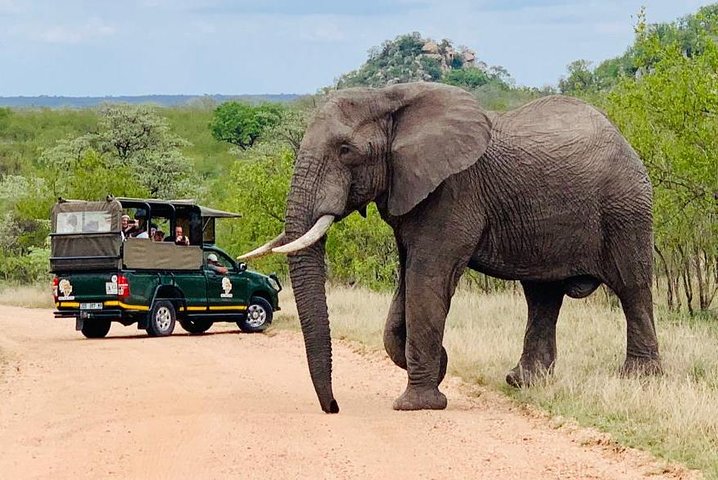


Nine-hour safaris in open-sided vehicles depart daily from Hazyview and the Numbi or Phabeni gates. You'll track the Big Five across the bush, but the park also supports populations of cheetahs and African wild dogs. Over 500 bird species and 140 types of mammals live here. It's often dusty. Wear layers to handle the 05:30 start and the midday heat. Rates are charged per vehicle for groups of up to 10 people. You're responsible for paying entry fees at the gate: R424 for international adults and R105 for South African citizens. Children under 12 pay half price. Bring your physical passport or ID, or the rangers will charge you the full international rate. From October to March, the tour runs from 05:30 to 15:30. During the cooler months of April to September, it shifts to 06:00 to 16:00. Request a pickup from any lodge in Hazyview to save a drive to the gate.
For a full refund, cancel at least 24 hours before the scheduled departure time.
English

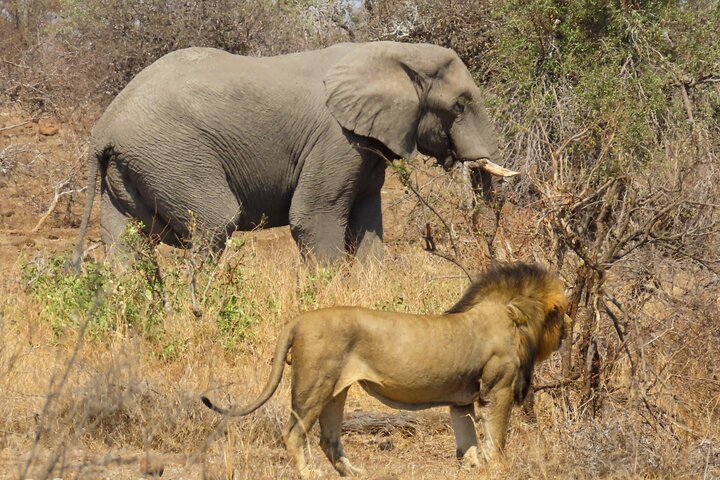

You won't share your vehicle with strangers. Every booking secures a private open safari vehicle for your group of one to eight people. This setup lets you dictate the pace. If you want to spend twenty minutes watching a dung beetle, the guide stops. Every trip runs with a FGASA-registered guide who knows the local terrain and animal behavior. They've spent years driving these specific open-air models. Because it's your own car, the itinerary is flexible. Tell the guide if you're specifically tracking leopards or prefer to focus on birdlife. Families are welcome, though children must have an adult with them. The age range on these tours is broad; past guests include 10-month-old infants and 89-year-old seniors. It’s a bumpy, wind-exposed ride—bring a jacket even if the day looks warm.
For a full refund, cancel at least 24 hours before the scheduled departure time.
English


These six-hour morning safaris use open-sided vehicles to track Kruger’s 140 mammal species, including the Big Five, cheetahs, and wild dogs. Pickups start at 05:30 from October to March and shift to 06:00 between April and September. We collect from any lodge in Hazyview or meet at the Numbi and Phabeni gates. It’s an early start. Rates cover the private vehicle for groups of one to ten people. You’ll pay park entry fees separately at the gate: R424 for international adults and R105 for South African citizens. Children under 12 pay half price. Bring your passport or ID — gate staff require physical proof of identity to grant entry or local discounts. The tour ends at noon after six hours in the park. Wear layers, because even in summer, the wind in an open vehicle at 60 km/h feels cold before the sun clears the trees. If you’re driving yourself to a meeting point, Phabeni often has shorter vehicle queues than Numbi.
For a full refund, cancel at least 24 hours before the scheduled departure time.
English

Open vehicles carry up to ten passengers on these five-hour drives through Kruger National Park. You'll track cheetahs and wild dogs alongside the Big Five, navigating a park that holds 140 mammal species and 500 types of birds. Afternoon light hits the bushveld at 13:30, which is the standard pickup time for Hazyview lodges and the Numbi or Phabeni gates. It’s a dusty ride. Bring a jacket for the return trip, as temperatures drop fast once the sun goes down. The tour price covers the vehicle and driver, but you'll pay park entry fees separately at the gate. International visitors pay R424 per adult and R212 for children under 12. South African residents pay R105 per adult and R52 per child. You must show a physical ID or passport to get the local rate. From October to March, you'll stay out until 18:30. Winter tours from April to September return by 17:30. Book the Phabeni gate pickup if you're staying on the east side of Hazyview to save time.
For a full refund, cancel at least 24 hours before the scheduled departure time.
English


Six people at most share a ten-seater open safari vehicle. This layout guarantees extra elbow room and clear sightlines for photos. If you're traveling alone, you can book as long as two other people are already signed up for that date. It's the best way to see the park without the noise of a full bus. The search focuses on the Big 5, but the park's 147 mammal species and 500 bird varieties mean there’s always something moving. You'll see 110 reptile species and various insects if you look closer. Guides identify the local trees and grasses, often stopping to explain which roots or leaves serve as traditional medicine. Bring a jacket for the morning chill.
All sales are final. No refund is available for cancellations.
English


Kerry runs Kruger Pride Safaris from Marloth Park and has over a decade of local guiding experience. She operates open vehicles designed for clear photography angles and direct views of the bush. You'll see more this way. These tours are available as private bookings for families or as shared trips for solo travelers. Every guide on staff is fully qualified and focuses on tracking specific animals rather than driving a set route. Expect wind and dust in the open-air seats. Bring a scarf or a light jacket even in summer, as the early morning air hits hard at 40 km/h. Book the private vehicle if you want to spend an hour watching one leopard instead of moving on with a group.
All sales are final. No refund is available for cancellations.
English

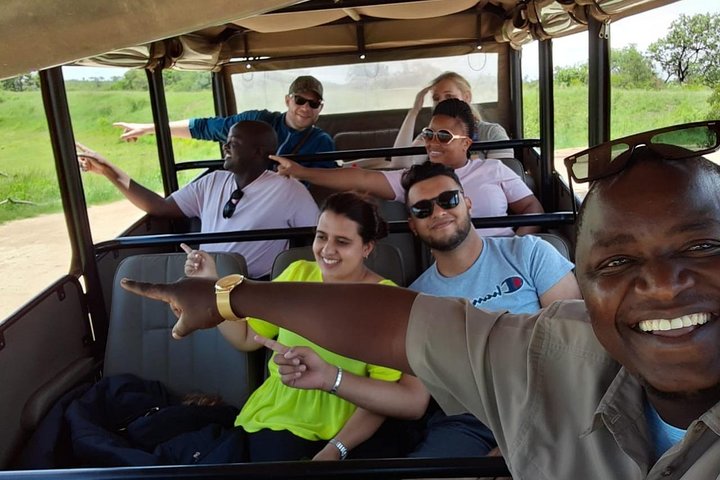

This five-hour drive through Kruger Park focuses on tracking animals and learning their habits. You'll spend the time scanning the bush for leopards or watching elephant herds at waterholes. The guide handles the spotting—their eyes are trained for movement you'll miss—and explains why a buffalo stares or how a kudu hides. It's a fast-paced stint. Water is provided on the vehicle, so there's no need to pack a heavy cooler. Dust is a constant factor on the dirt roads; bring a buff or a light scarf to cover your face when other vehicles pass. If you're sensitive to the morning chill, the open-sided trucks get cold before the sun hits its peak. Book the early slot for the best activity.
For a full refund, cancel at least 24 hours before the scheduled departure time.
English


Kerry has run Kruger Pride Safaris for ten years. The open vehicles have no glass in the way of your camera. You can book a private vehicle to set your own pace for stops. This is the better choice for photographers who need time to wait for a shot. It gets cold on morning drives, so bring a jacket even if the day looks warm. You'll deal with a few guides instead of a corporate office. If you're traveling in a group, book the private vehicle to keep everyone together. That's the one to book.
All sales are final. No refund is available for cancellations.
German, English, French, Dutch


Our guides have worked these routes for over 20 years. They know the back alleys that cut ten minutes off a walk and which vendors sell actual silk versus polyester. You choose the start time and the focus—whether that's architecture or street food—and we build the route from there. Expect plenty of walking on uneven pavement, so wear sturdy shoes rather than sandals. If a site closes for a private event, your guide swaps it for a nearby alternative like a local workshop or a quiet courtyard. It’s better to book for a Tuesday or Wednesday when the main museum crowds thin out. We don't use megaphones or scripted speeches. Your guide answers questions as they come up and adjusts the pace if you want to linger at a photo spot. Pick the full-day option for the outskirts; stick to the four-hour tour for the city center.
For a full refund, cancel at least 24 hours before the scheduled departure time.
English


Certified guides lead these wildlife tours and track animals that usually stay hidden from casual visitors. They know the specific territories of the local herds and where they drink. Tracking takes up most of the morning. It's slow work but pays off. Vehicles are stocked with bottled water for summer heat and wool blankets or waterproof ponchos for winter. Temperatures often swing 20 degrees between dawn and noon. If you're sensitive to dust, bring a light scarf for the windier sections of the track.
All sales are final. No refund is available for cancellations.
English